Ever felt like you’re drowning in an alphabet soup of acronyms every time you talk to a marketer? SEO, SEM, PPC, CPA, CTR, KPI… it can be overwhelming.
The world of digital marketing is filled with jargon, but understanding the language is the first step to mastering the craft.
Whether you’re a small business owner, an aspiring marketer, or just trying to understand what your agency is talking about, this glossary is for you.
We’ve broken down the most essential digital marketing terms into simple, easy-to-understand definitions. Let’s get started.
The glossary is created like a Digital Marketing Dictionary so that you can find the A to Z of Digital Marketing in alphabetical order.
Without any more ado, let us delve into this-
Digital Marketing Glossary of all Digital Marketing Terms
General & Foundational Terms
These are the big-picture concepts that form the foundation of digital marketing strategy.
- Digital Marketing: The practice of promoting products, services, or brands using digital channels such as search engines, websites, social media, email, and mobile apps.
- B2B (Business-to-Business): Marketing and selling products or services from one business to another (e.g., a software-as-a-service company selling to corporations).
- B2C (Business-to-Consumer): Marketing and selling products or services directly to individual consumers (e.g., an e-commerce clothing store).
- Inbound Marketing: A strategy focused on attracting customers by creating valuable content and experiences. The goal is to have customers come to you. (Examples: Blogs, SEO, lead magnets).
- Outbound Marketing: A traditional marketing strategy that involves pushing messages out to a wide audience, regardless of whether they’ve expressed interest. (Examples: Cold calls, trade shows, TV ads, digital display ads).
- Marketing Funnel: A visual representation of the customer’s journey, from initial awareness to making a purchase. The most common stages are:
- Top of Funnel (TOFU): Awareness (e.g., blog posts, social media).
- Middle of Funnel (MOFU): Consideration (e.g., case studies, webinars).
- Bottom of Funnel (BOFU): Decision (e.g., free trials, demos, consultations).
- Call to Action (CTA): A prompt designed to get the user to take a specific, desired action. (Examples: “Buy Now,” “Sign Up Today,” “Learn More”).
- Landing Page: A standalone web page created specifically for a marketing or advertising campaign. It’s where a user “lands” after clicking a link in an email, ad, or social media post.
- Conversion: When a user completes a desired goal set by the marketer. (Examples: Making a purchase, filling out a form, signing up for a newsletter).
- Target Audience: The specific group of people a company aims to reach with its marketing messages, defined by demographics, psychographics, and behaviour.
SEO (Search Engine Optimization)
SEO is the art and science of getting your website to rank higher in unpaid (organic) search engine results.
- SEO (Search Engine Optimization): The process of optimizing your website to improve its visibility in organic search engine results (like on Google or Bing) for specific keywords.
- SERP (Search Engine Results Page): The page displayed by a search engine after a user types in a query.
- Organic Search: The unpaid, natural listings on a SERP that the search engine has determined are the most relevant to the user’s query.
- Keyword: A word or phrase that users type into search engines. Marketers target keywords to attract their ideal audience.
- On-Page SEO: The practice of optimizing individual web pages to rank higher. This includes optimizing title tags, meta descriptions, content, and internal links.
- Off-Page SEO: Actions taken outside of your own website to impact your rankings. This is primarily driven by backlinks.
- Backlink (or Inbound Link): A link from one website to another. Search engines see backlinks as “votes of confidence,” and a high-quality backlink profile can significantly boost your rankings.
- Meta Description: The short, 155-160 character snippet of text that appears under your page title in the search results. It doesn’t directly impact rankings but is crucial for convincing users to click.
Paid Advertising (PPC & SEM)
This category covers all forms of paid promotion to drive traffic and conversions.
- SEM (Search Engine Marketing): An umbrella term for all marketing (paid and unpaid) done on search engines. However, it’s most commonly used to refer specifically to paid search advertising.
- PPC (Pay-Per-Click): An online advertising model where an advertiser pays a fee each time one of their ads is clicked.
- Google Ads: Google’s online advertising platform, which is the most popular form of PPC.
- CPC (Cost Per Click): The actual price you pay for each click on your PPC ad.
- CPM (Cost Per Mille / Thousand): The cost an advertiser pays for one thousand views or impressions of an advertisement.
- Impression: A single instance of an ad being displayed on a page. It does not mean the user saw or interacted with it.
- Display Ads: Visual-based ads (like banners or images) that appear on websites within an ad network (like the Google Display Network).
- Retargeting (or Remarketing): The practice of showing ads to people who have already visited your website or interacted with your brand, designed to bring them back.
Content & Social Media Marketing
This involves creating and distributing valuable content to build a relationship with your audience.
- Content Marketing: A strategic approach focused on creating and distributing valuable, relevant, and consistent content to attract and retain a defined audience—and, ultimately, to drive profitable customer action.
- Blog: A section of your website where you regularly publish articles (like this one!) to inform, educate, or entertain your audience.
- Engagement: Any interaction a user has with your content, including likes, shares, comments, clicks, and saves.
- Engagement Rate: A metric used to measure the level of engagement. It’s often calculated as
(Total Engagements / Total Followers or Reach) * 100. - Social Media Marketing (SMM): The use of social media platforms (like Facebook, Instagram, TikTok, LinkedIn) to connect with your audience, build your brand, increase sales, and drive website traffic.
- Organic Reach: The number of people who see your content in their feed without you paying for it. This has famously declined on many platforms.
- Paid Reach: The number of people who see your content as a result of paid promotion (e.g., “boosting” a post or running a social media ad).
Email Marketing
The practice of using email to build relationships, nurture leads, and promote products or services.
- Subscriber List (or “Mailing List”): The list of contacts who have “opted in” (given permission) to receive email communications from your brand.
- Opt-In: The process of a user explicitly giving permission to be added to an email list.
- Email Automation (or “Drip Campaign”): A series of emails sent automatically to a user based on a specific trigger (e.g., a welcome series after they sign up) or a set schedule.
- Open Rate: The percentage of email recipients who opened a specific email.
- Click-Through Rate (CTR): The percentage of email recipients who clicked on one or more links contained in a given email.
- A/B Testing (or Split Testing): The process of sending two variations of an email to a small subset of your list (e.g., with different subject lines) to see which one performs better before sending the winning version to the whole list.
Analytics & Metrics (Measuring What Matters)
If you can’t measure it, you can’t improve it. These terms help you understand performance.
- Analytics: The discovery and communication of meaningful patterns in data. In digital marketing, this means tracking user behavior on your site, app, or social media.
- Google Analytics (GA4): The most widely used web analytics service that tracks and reports website traffic and user behavior.
- KPI (Key Performance Indicator): A measurable value that demonstrates how effectively a company is achieving key business objectives. Your KPIs are the most important metrics to track.
- Traffic (or “Sessions”): The number of visits to your website.
- Bounce Rate: The percentage of visitors who navigate away from your site after viewing only one page. A high bounce rate can indicate that your page isn’t relevant to what the user was looking for.
- Conversion Rate (CVR): The percentage of visitors who complete a desired conversion. It’s calculated as
(Number of Conversions / Total Visitors) * 100. - CTR (Click-Through Rate): A metric that measures the ratio of clicks to impressions for an ad, link, or CTA. It’s calculated as
(Total Clicks / Total Impressions) * 100. - ROI (Return on Investment): A performance measure used to evaluate the efficiency or profitability of an investment. In marketing, it’s
(Profit from Marketing - Marketing Cost) / Marketing Cost. This is often the ultimate metric for success. - CPA (Cost Per Acquisition) / CPL (Cost Per Lead): The total cost of a marketing campaign divided by the number of sales (acquisitions) or leads it generated. This tells you exactly how much it costs to get one new customer or lead.
- Customer Lifetime Value (CLV or LTV): A prediction of the total revenue a business can reasonably expect from a single customer account throughout their relationship.
- Attribution: The science of assigning credit for a conversion to the different marketing touchpoints that a customer interacted with on their journey (e.g., did they convert because of the ad, the email, or the blog post?).
Important Digital Marketing Terms to Remember
301 Redirect
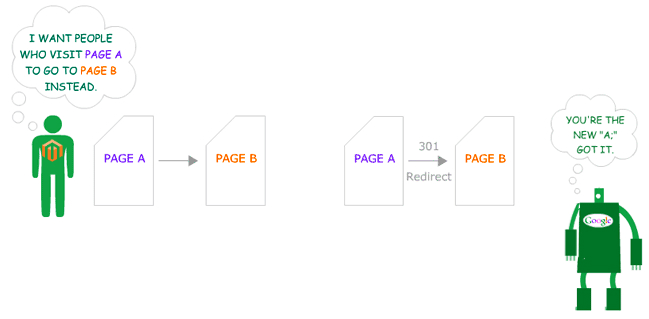
A method that permanently redirects a visitor from one web page to another web page. if you own A.com and B.com and want to only one website A.com then you can 301 redirect all the traffic from B to A
302 Redirect
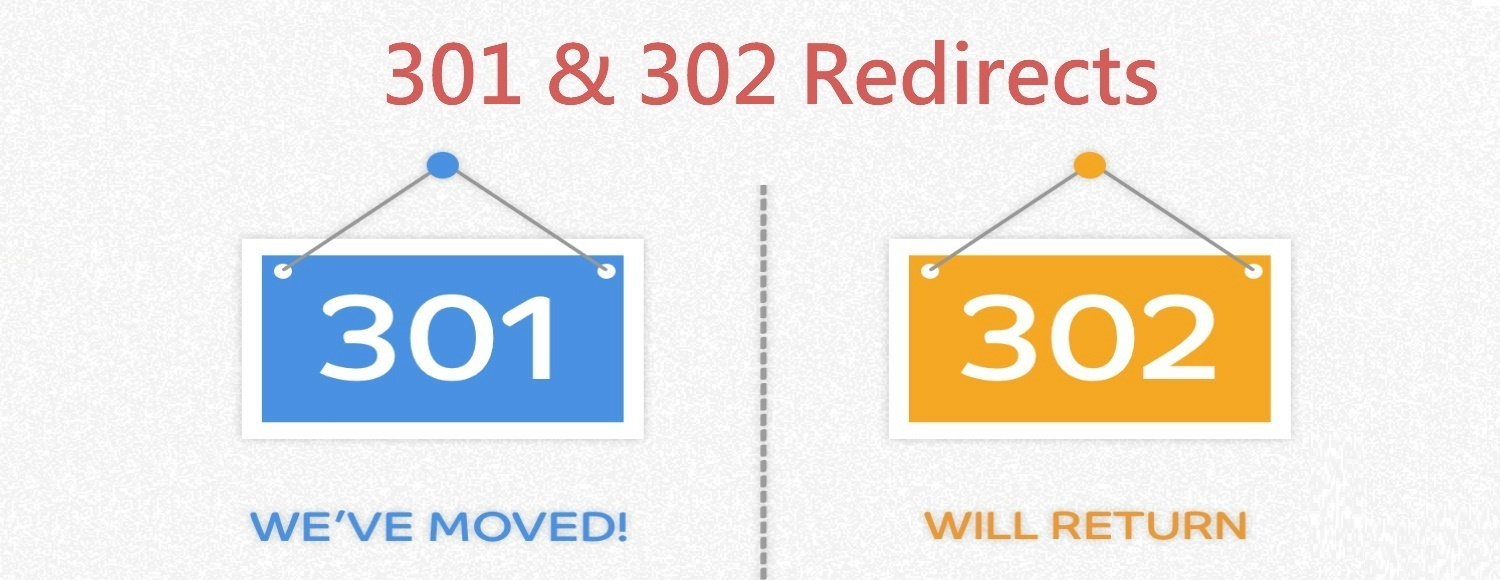
A method that temporarily redirects a visitor from one page to another web page. This one is predominantly used in temporary situations
404 Error
If a visitor goes to a web page that does not exist, then 404 Error message appears. According to Wikipedia-
The HTTP 404, 404 Not Found and 404 (pronounced “four oh four”) error message is a Hypertext Transfer Protocol (HTTP) standard response code, in computer network communications, to indicate that the client was able to communicate with a given server, but the server could not find what was requested.
Digital Marketing Glossary from A to E
Ad Extensions
Additional information that Google Adwords ads incorporate related to reviews, pricing, address, callouts, Sitelinks, app downloads, and click-to-call are Ad Extensions
Applications
A program that is designed to run Ads on mobile devices, smartphones, and tablets. From Android to iPhone, you can run these applications on all kinds of smart devices
Ad Manager Account
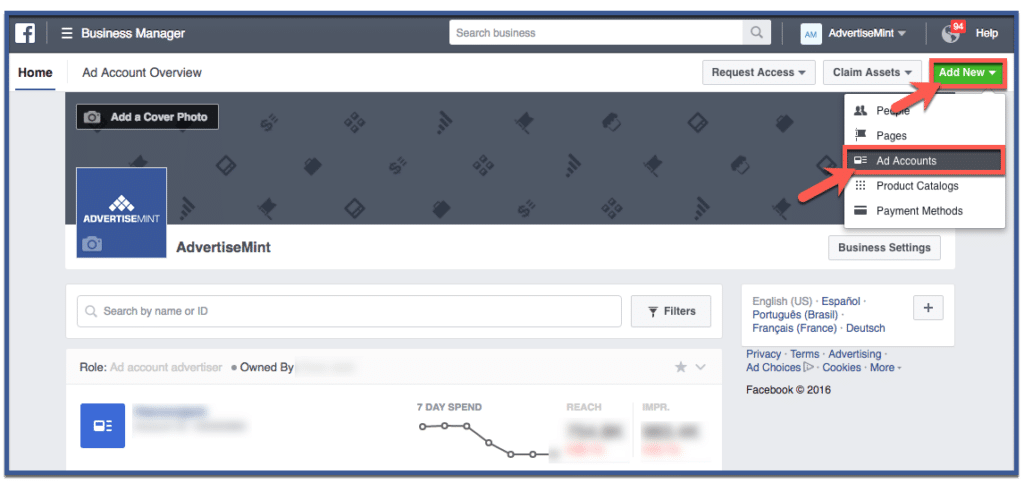
Helps you run ads on the Facebook Ad Network. All kinds of Facebook Ads are run with the help of Facebook Ad Manager Account
Ad Network

A network of different digital channels and properties where Ads can be published, such as Search Ad Network and Display Ad Network of Google
Google Ads

A Google-owned program that places ads on Google Search Engines. PPC advertising considers AdWords its primary platform
Alt Text (or Alternative Text)
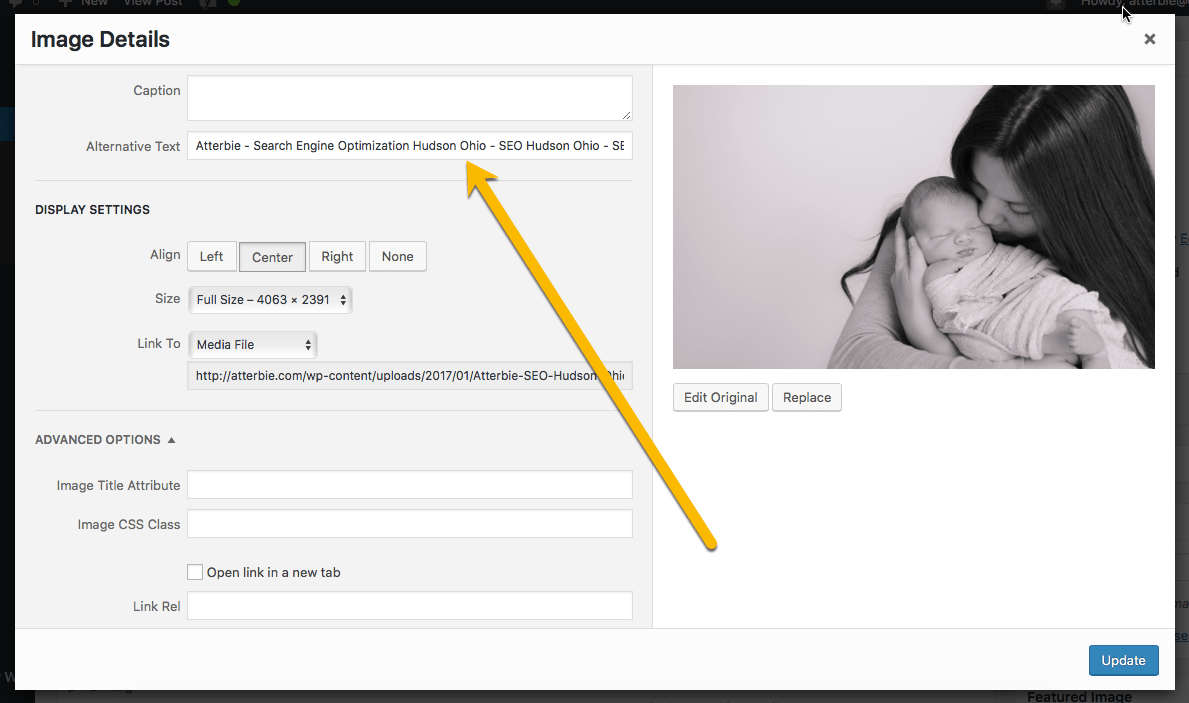
An alternative text that is added to HTML code for images that lets vision impaired website visitors get details of an image. Alt text also lets search engines crawl the images and hence helps in SEO ranking.
Analytics

Allows the webmaster to collect statistical data and information about the performance of a website or marketing campaign. As discussed in the image, web analytics helps marketers in deciding the effectiveness of marketing campaigns
Anchor Text
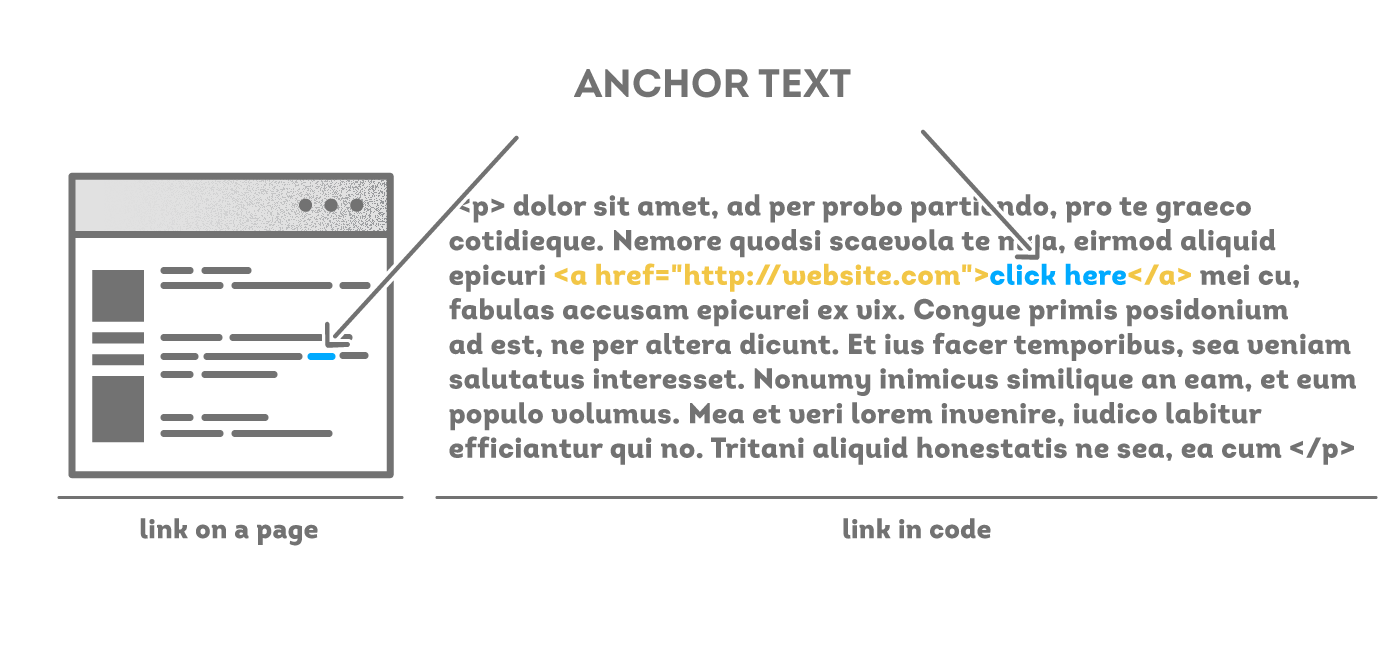
The clickable words, which are used in a hyperlink, act as a ranking signal to Google. It provides context about the destination site and plays an important role in SEO. The blue colored text in the image is Anchor Text
AdSense (Google AdSense)
A Google platform that lets website owners publish Google network ads on their website and earn money. Once AdSense is added to your site, you will earn from the relevant Ads that are published on your site
Algorithm

A set of programmed rules that let computers, operating systems, Search Engines, Social Platforms, etc. perform a specific task. Google uses its algorithms to decide the ranking of websites
Algorithm Update
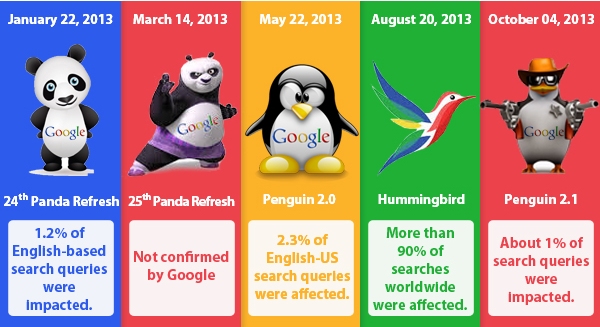
Any change or adjustment made to a particular algorithm. Commonly, it is used for Google algorithm updates, as Google makes different adjustments to its algorithms
Automation
Using computer programs to automate repetitive Digital Marketing Tasks via some of the Digital Marketing tools is called Automation
Average Position
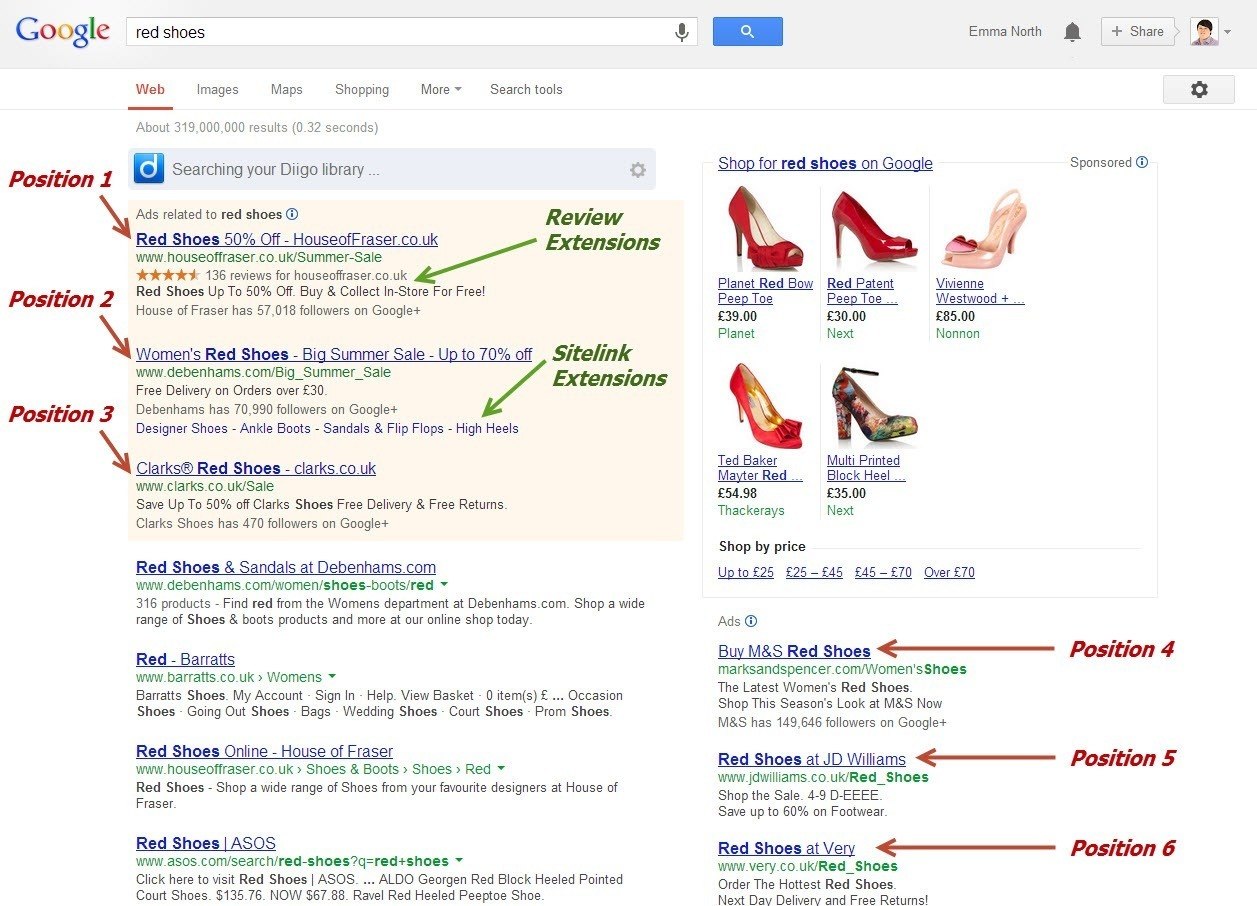
A Google AdWords metric that lets advertisers understand where their ads are showing in Google’s SERPs on an average basis
Backlink
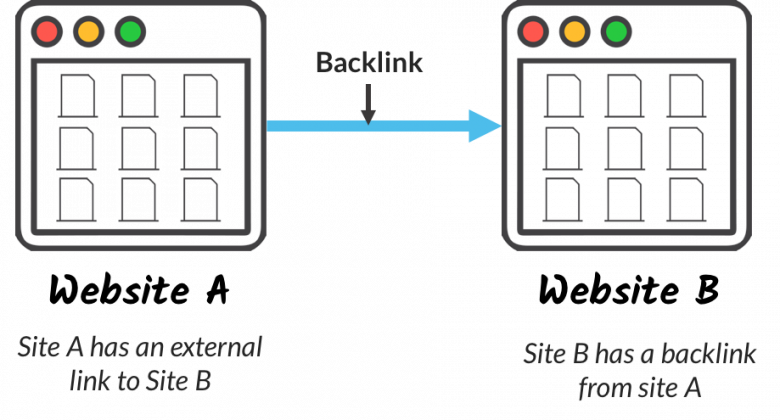
Comes into play when one website hyperlinks to any other website via an HTML href code. If a website ‘A’ gets incoming backlinks from websites B and C, then those backlinks are votes of trust for website A and act as an SEO ranking factor
Banner Ad
A Digital Image ad is placed on various websites and networks. The most popular Banner Ad Network is channelised by Google
Bing

A web search engine that is owned by Microsoft. Bing lets users enjoy search services for web, image, video, and map search products
Bing Ads
A pay-per-click advertising platform that allows advertisers to run Ads on both the Bing and Yahoo search engines in the same manner as Ads run on Google
Black Hat
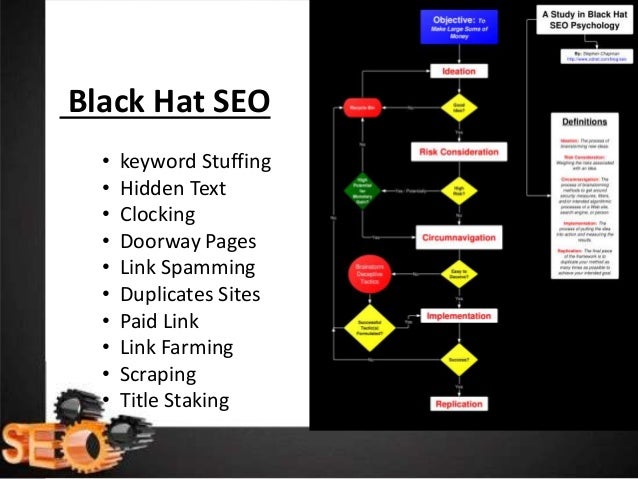
When an SEO or Digital Marketer uses tactics that are unethical via some spammy tactics to rank websites, then it is called Black Hat SEO or Digital Marketing practice
Blog

A blog is a Web Page or a website that connects with users or target audiences via fresh new content regularly to inform, attract, engage and convert visitors to that page or site
Bot
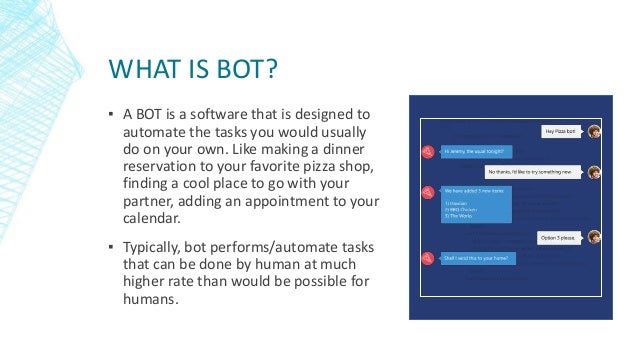
A computerised program that crawls or visits websites. Because of such activities, Bot is also known as a “crawler” or a “spider”. A bot is Software that automates tasks that usually human being does.
Bounce Rate
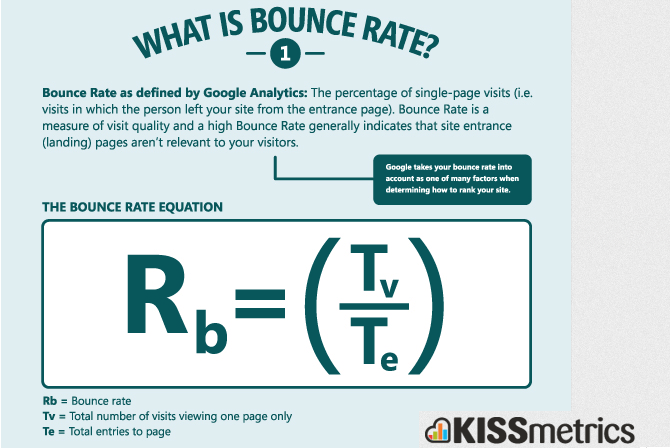
When visitors to a website leave the site immediately without clicking or making any interaction, then the percentage is the Bounce Rate
Bread Crumbs
A navigation link at the top of a webpage that tells the visitor about the page they are on a website, e.g. Home > Services > Specific Service
Business Manager
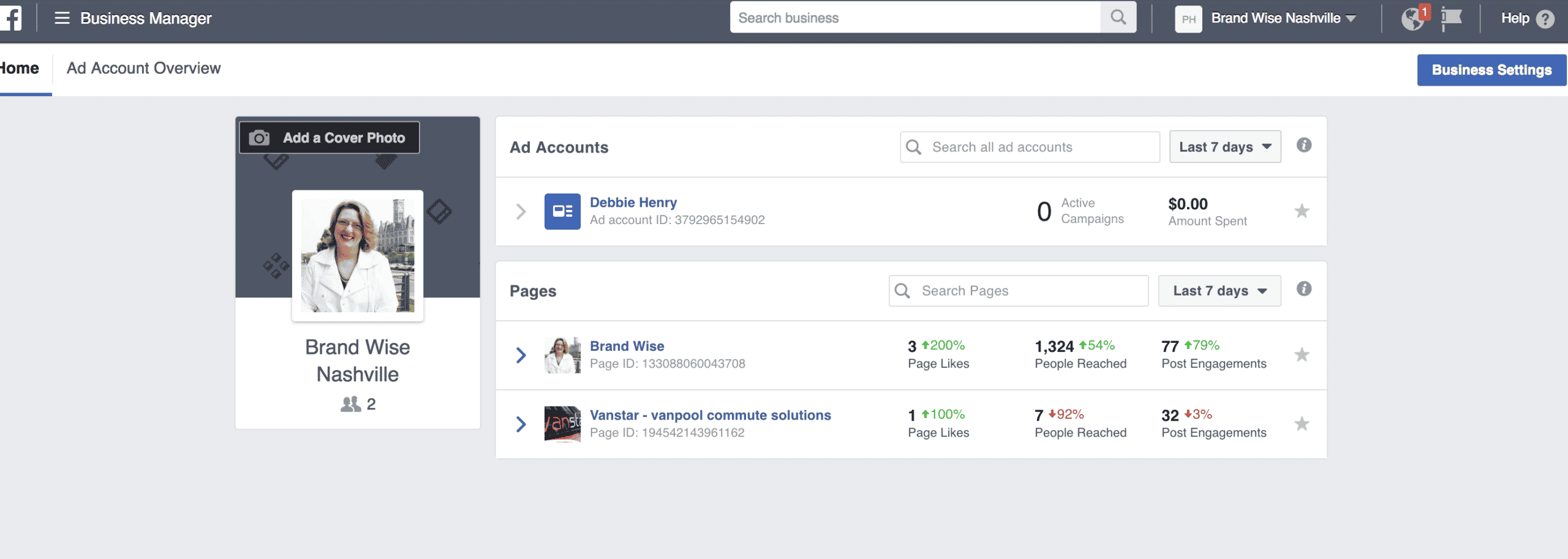
A Facebook platform that lets marketers manage several pages and ad accounts. This management is also done from one central location
Campaign
Different advertising messages that are used to promote a theme, product or service on different search and display network advertising platforms such as Google, Bing, Email, Social Media, or other platforms on the web
Canonical (rel=canonical)

A piece of code that you add to the HTML head of a webpage, so Google can understand that a piece of content on that page is original or a duplicate. It is very important to avoid duplicate content issues on a website
Click-Through-Rate
A metric that shows how often visitors click on an ad or a link after seeing it, and you can calculate it by dividing the number of clicks on the ad by the number of impressions
Code
A language such as HTML, CSS, JS, and PHP is used for building a website. Developers build a website by using code. Instructions that make up a computer program are referred to as code.
Contact Form
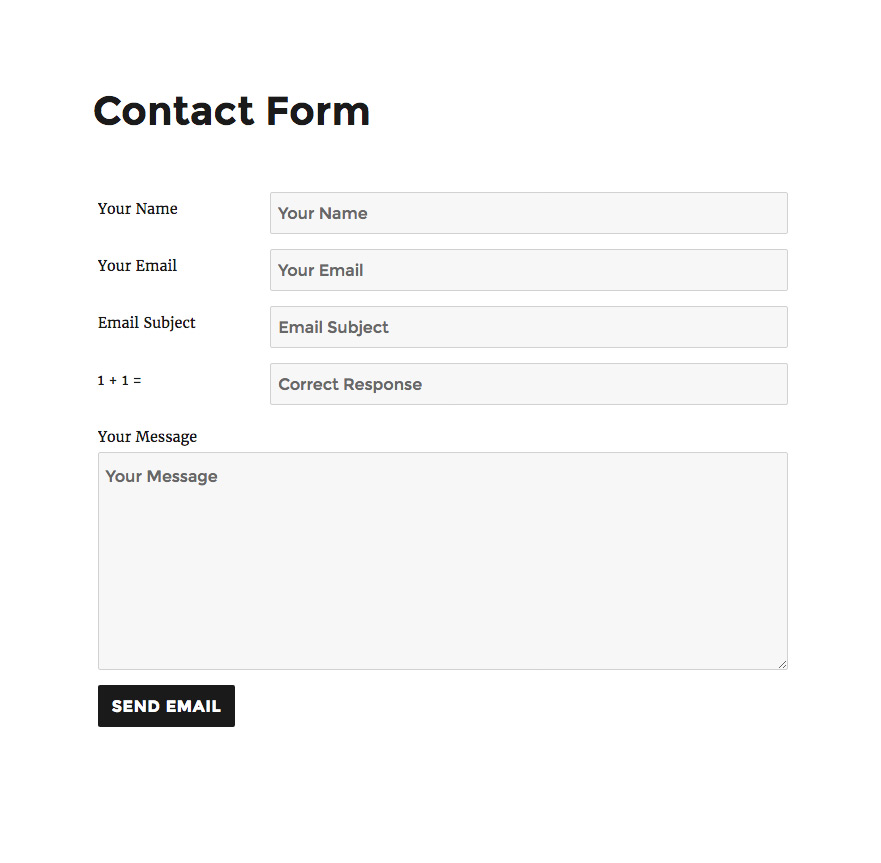
A section on a website that has some fields and visitors need to fill those fields to contact the website owner is a Contact Form
Content
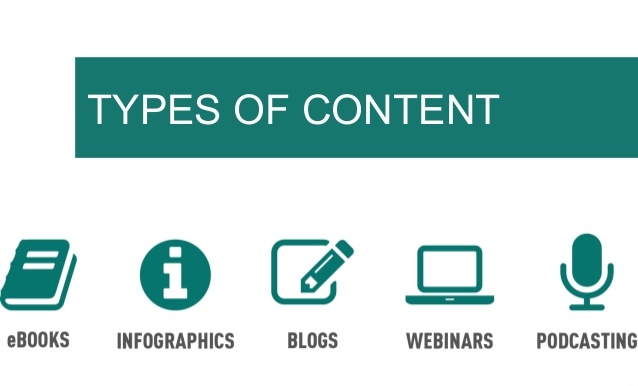
An online media that can be read, interacted with, watched and shared. Commonly, written material is referred as Content but it can also include videos and images
Conversion Rate
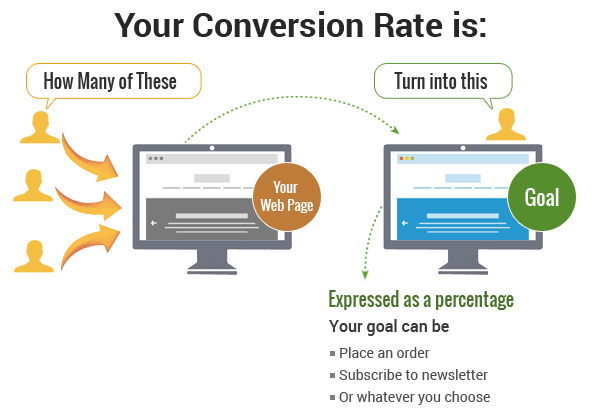
The rate at which site visitors and campaign targets complete the predefined goal is Conversion Rate, and according to the Digital Marketing Glossary PDF, by dividing the number of goal achievements by the total number of visitors, you can calculate conversion rates
CPA (Cost per Acquisition)
A metric in paid advertising that tells about the amount of money, which is spent on acquiring a new lead or a customer. You can calculate it by dividing the total spend by the number of conversions, for a specific period of time
CPC (Cost per Click)

The cost that an advertiser pays for a click on a Paid ad is CPC. Each keyword in AdWords has an estimated click cost that varies as per the bidding for that keyword proceeds
CPM
It is “Cost per Thousand”, as in Roman numeral M represents 1,000. An advertiser pays CPM for getting 1,000 impressions on their ad
Crawler
Crawler scans websites to find new content and also to evaluate the quality of WebPages suggested Digital Marketing Glossary PDF
CRO (Conversion Rate Optimization)
A Digital Marketing Component that is responsible for optimising the conversion rate of web pages to achieve the goal of a campaign
CSS
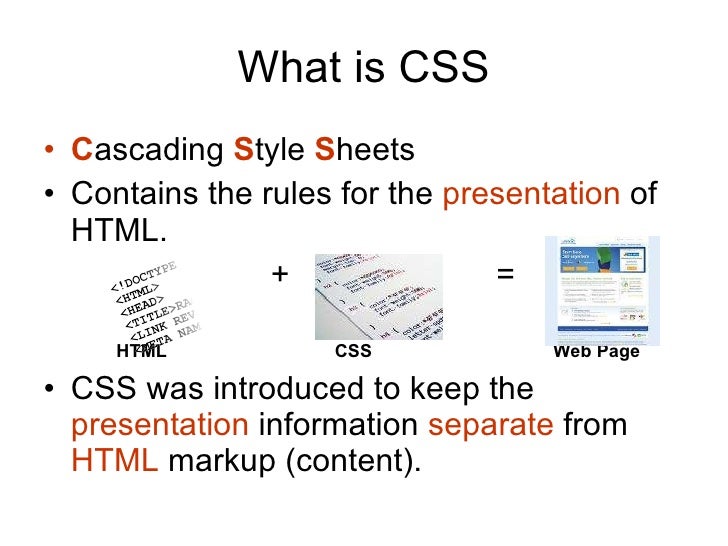
A document of code that updates the HTML of a website about its appearance. The full form of CSS is “Cascading Style Sheets”. CSS includes the rules for the presentation of HTML
CTA (Call to Action)

A very common term of the Digital Marketing Glossary that can be defined as an element on a web page that is used for pushing visitors towards any specific action or conversion
CTR (Click through Rate)
The ratio that tells how many times an advertisement is clicked on, compared to how many times it is shown, isthe Click Through Rate
Dashboard
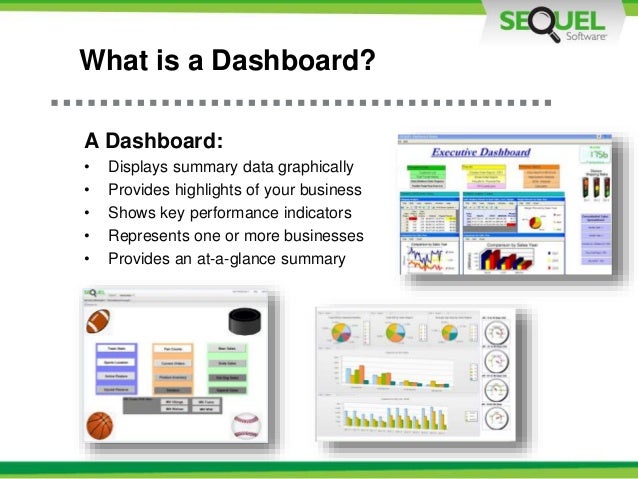
A web page that includes and highlights aggregate data regarding the performance of a marketing campaign or website is a Dashboard. It pulls information from different data sources and showcases it in the easiest possible way
Digital Marketing
An umbrella term that incorporates all kinds of online marketing activities, such as SEO, PPC, CRO, web design, blogging, content, and any other form of advertising on the web
Directory
A website that is used for categorically listing of other websites that have similar themes, for example, chambers of commerce (a list of businesses in one geographic area), which can be beneficial for SEO
Display Ads
Online Ads or advertisements on a display network that may include images, video, flash, and audio, which can be seen on blogs, news sites, social media and other places on the web
Display Network
A network of those sites and apps that display ads on their web pages is the Display Network. The Display Network of Google spans around 2 million websites
DNS
DNS is the Domain Name System that gives an IP address a name, because for internet users, remembering letters and words in a website URL is easier compared to remembering numeric characters of an IP
Dofollow
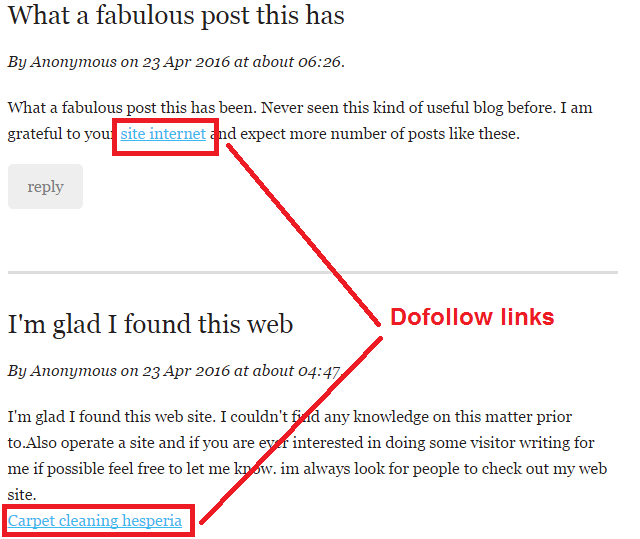
A hyperlink that does not have a ‘nofollow’ piece of code added to it is a Dofollow hyperlink and it passes SEO equity to the destination URL, which “nofollow” never does
Duplicate Content
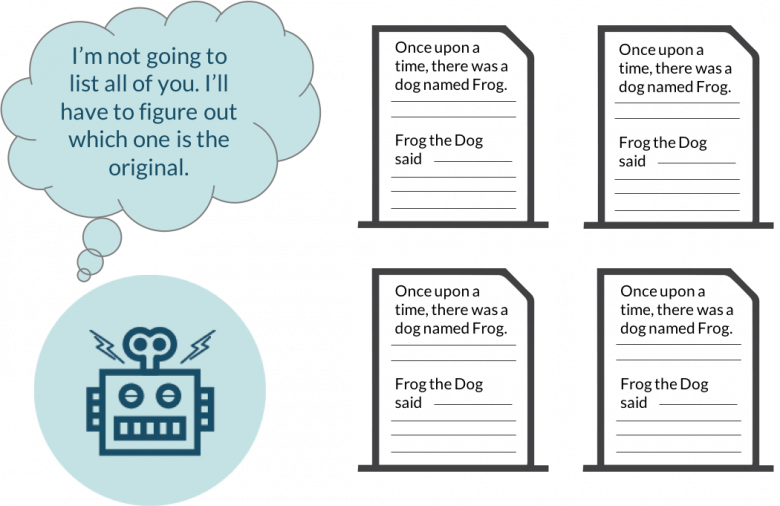
Used for instances when portions of the same text are found in two or more different places on the web. It causes ranking issues for all the websites that have same content
Ecommerce (or E-Commerce)
Stands for Electronic Commerce that defines those businesses, which are conducted online, such as an online retailer that sells products and services direct to the consumer. E-Commerce classification includes B2B, B2G, B2C, C2C and C2B.
Email Automation
Computerised systems that use software and tools to automatically send emails based on defined triggers and do repetitive email marketing tasks
Email List
A collection of email addresses that Email Marketers can use for channelising targeted email marketing campaigns to the audiences whose email address is included in that Email list
Email Marketing

Use of email for generating leads and acquiring customers, or for ensuring any other type of conversions, is Email Marketing. Newsletters, Events, Marketing Offers and Announcements are different types of Email Marketing
Digital Marketing Glossary from F to J
Featured Snippet
Information in the form of a summary that Google pulls from a website and places directly into search results for showing quick answers to common and simple queries that searchers type in Search Bars. Google programmatically does this by using the most relevant details from a site that has good authority
Facebook Advertising
Marketing on Facebook with the help of Facebook Ads to reach the target audiences via Facebook’s ad network is known as Facebook Advertising. It includes paid ads on Facebook
Facebook Profile
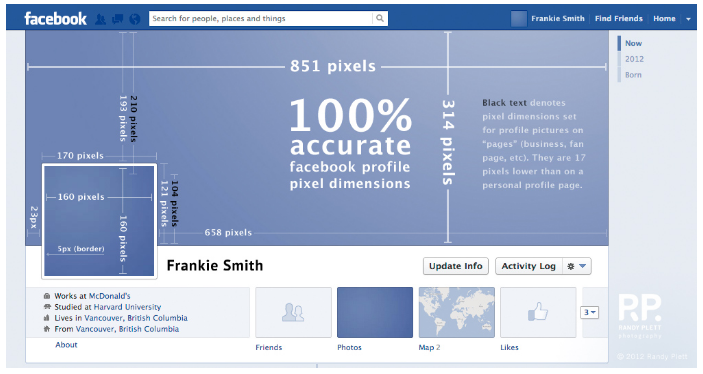
A personal Facebook account created by a user by signing up on Facebook is a Facebook Profile. Any normal FB profile of your friend, acquaintance or brand is a Facebook Profile
Facebook Business Page
A public webpage on Facebook, which is used to represent a brand, business or company and gives users access to Facebook Ads Manager
Facebook Ads Manager
A tool that is used for creating, channelising and managing Facebook ads in the most automated and efficient manner is Facebook Ads Manager

The company behind the initiation, channelisation and management of search engine giant Google.com that controls around 80% of the search market
Google Analytics
An Analytics platform created by Google, which is used for analysing nearly every aspect of a website’s performance
Google My Business
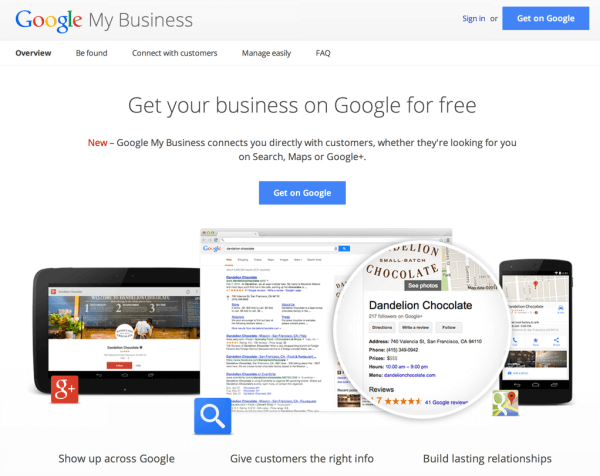
Google’s platform that businesses can use to provide important business information like Name, address, phone number, website link, hours of operation, and reviews to appear in search results, location searches, map packs, and more
Google Hummingbird
A Google algorithm update was intended to completely update the way Google interpreted the search queries of users. After this update, search results are directly related to the query typed in the search bar
Google Maps
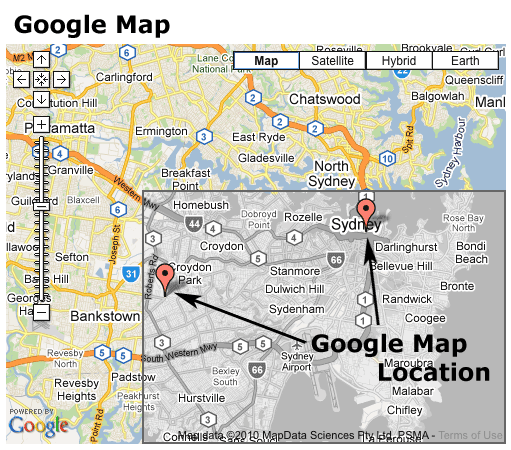
Google provides location and navigation services via Google Maps. With the help of this, users can find any location with utmost ease
Google Panda
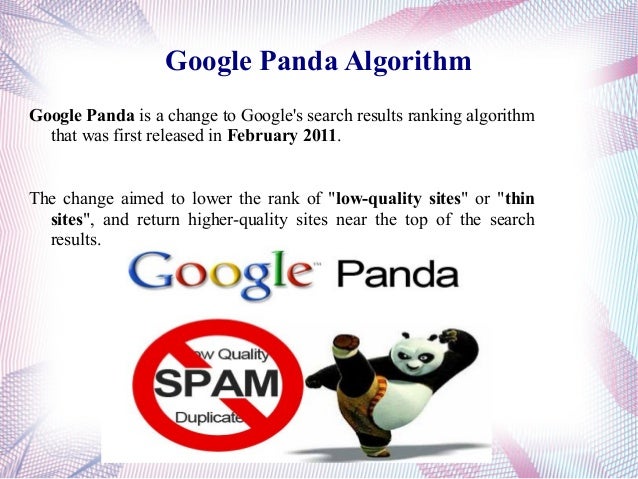
A Google algorithm update that is used for analysing the quality of a website’s on-page content and its exact interrelation to queries it was being displayed.
Google Penguin
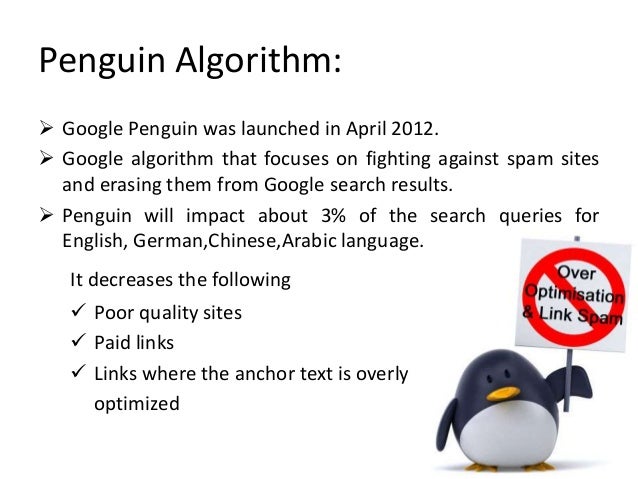
A Google Algorithm update that focuses on analysing the quality of links pointing to any particular site. It checks the overall quality of the Backlink profile of a site
Google Pigeon
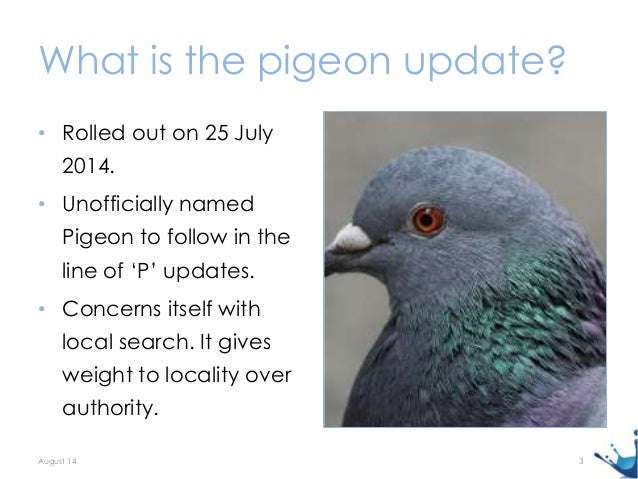
A Google Algorithm update that focuses on offering locally relevant results to searchers. This algorithm plays a significant role in the success of local businesses
Google Search Console

Previously known as Webmaster Tools, Google Search Console helps webmasters to measure the visibility of a site on search pages and indexability by Google crawler bots
GCLID
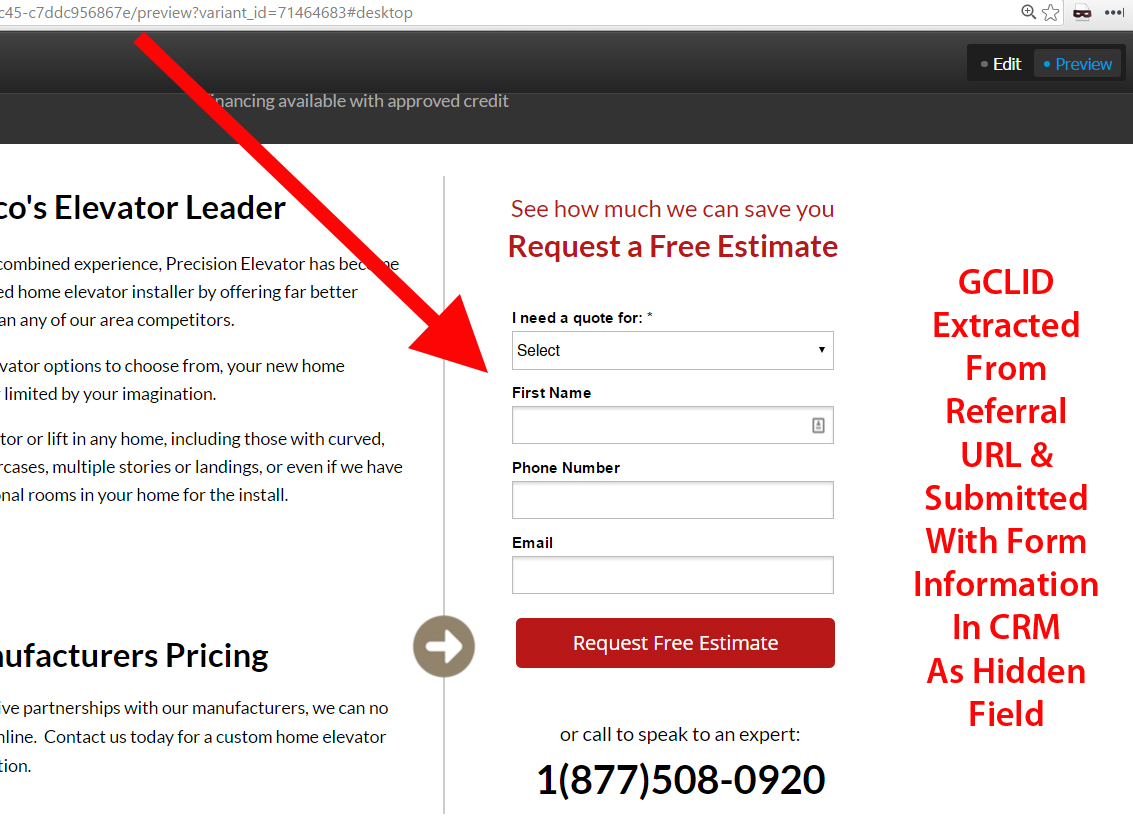
Full form is Google Click Identifier which is a small string of numbers and letters, which are used as a unique ID badge for visitors to a website
Gravity Forms
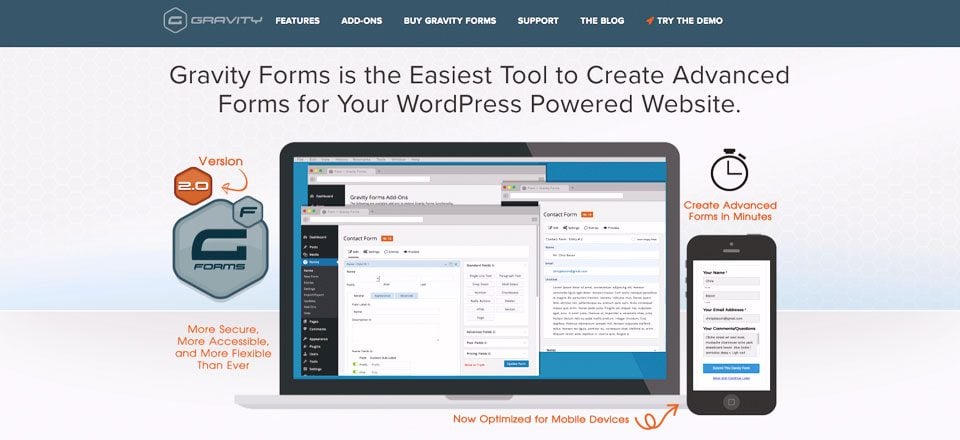
A WordPress plugin that keeps track of all completed form submissions and adds a customizable contact form to a website
HARO
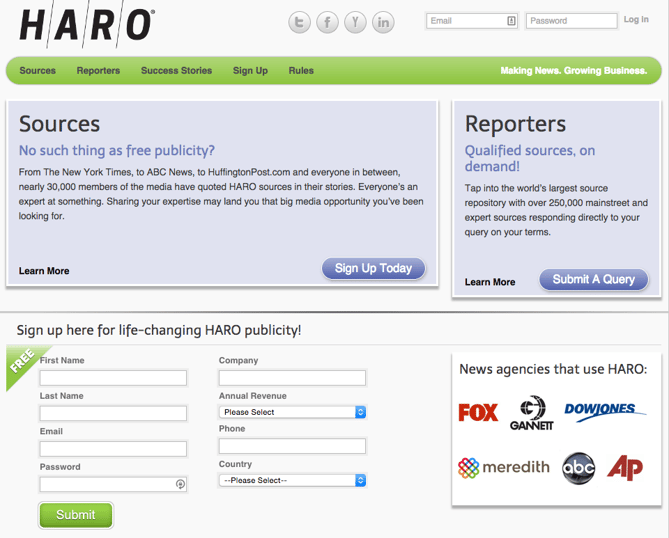
A type of email which are sent three times a day from Monday to Friday to gain PR and link opportunities. The Full form is Help a Reporter Out
Hashtag
“#” is a Hashtag and it is used in social media as a way for tagging content so that users can find it easily. When you add a Hashtag to a post, it will let users find that post when they search for the same topic
Header
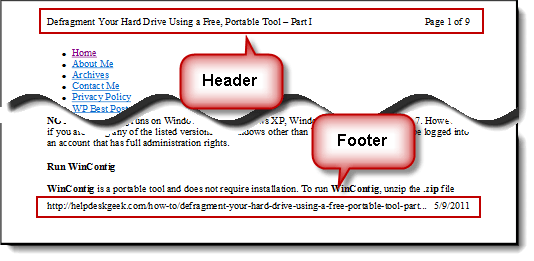
The top portion of a webpage that includes the logo and menu, or an HTML section in the code of the website that comprises the information about the site
Header Code
Certain code is placed in the header section to find things like Schema Markup, Adwords Code, Analytics Code, and other tools
Header Tags (h1, h2, h3, etc)
Used for categorising different text headings in a web page. They are used for titles and major topics of a Web Page and play an important role in SEO. H1-Page Title, H2- Secondary Title, H3-Sub-header Title, H4-another Sub Header, H5-Sub-header, H6- Sub-Header
Heatmap
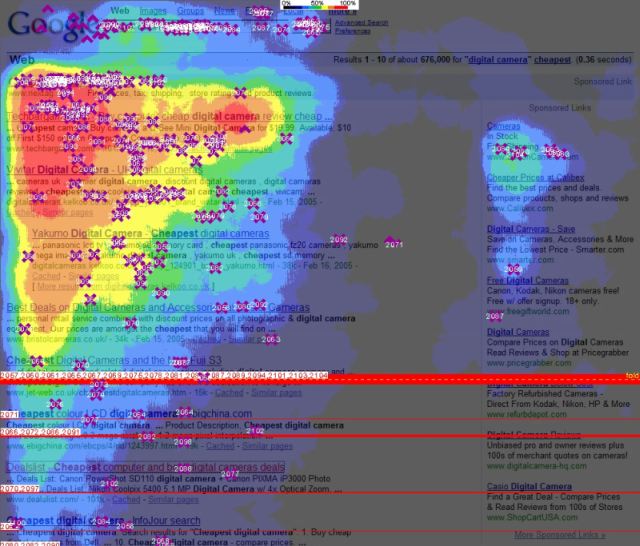
Showcases how users interact with your site graphically. Heat mapping tools are used for tracking where users click on a page, their scrolling behaviour, and other related details
HTML
A set of codes that let web browsers know how to display a webpage. Full form is Hyper Text Markup Language. It includes starting and ending elements for most of the markups
HTTP
A Protocol used by World Wide Web for defining how data is formatted and transmitted on the web. It also guides web browsers and web servers about the actions that they should take in response to a command. Full form is Hyper Text Transfer Protocol
HTTPS
Full form is Hypertext Transfer Protocol Secure, and it is a secure version of HTTP which means its functioning is similar to HTTP but with better security
Hreflang Tag

A code in the HTML of a website that lets search engines know about the spoken language used by a website. It is very useful for websites that have versions in multiple languages
Hyperlink
An HTML code that is used for creating a link from one webpage to another webpage. When you click on it, you will be directed to the desired location
Iframe
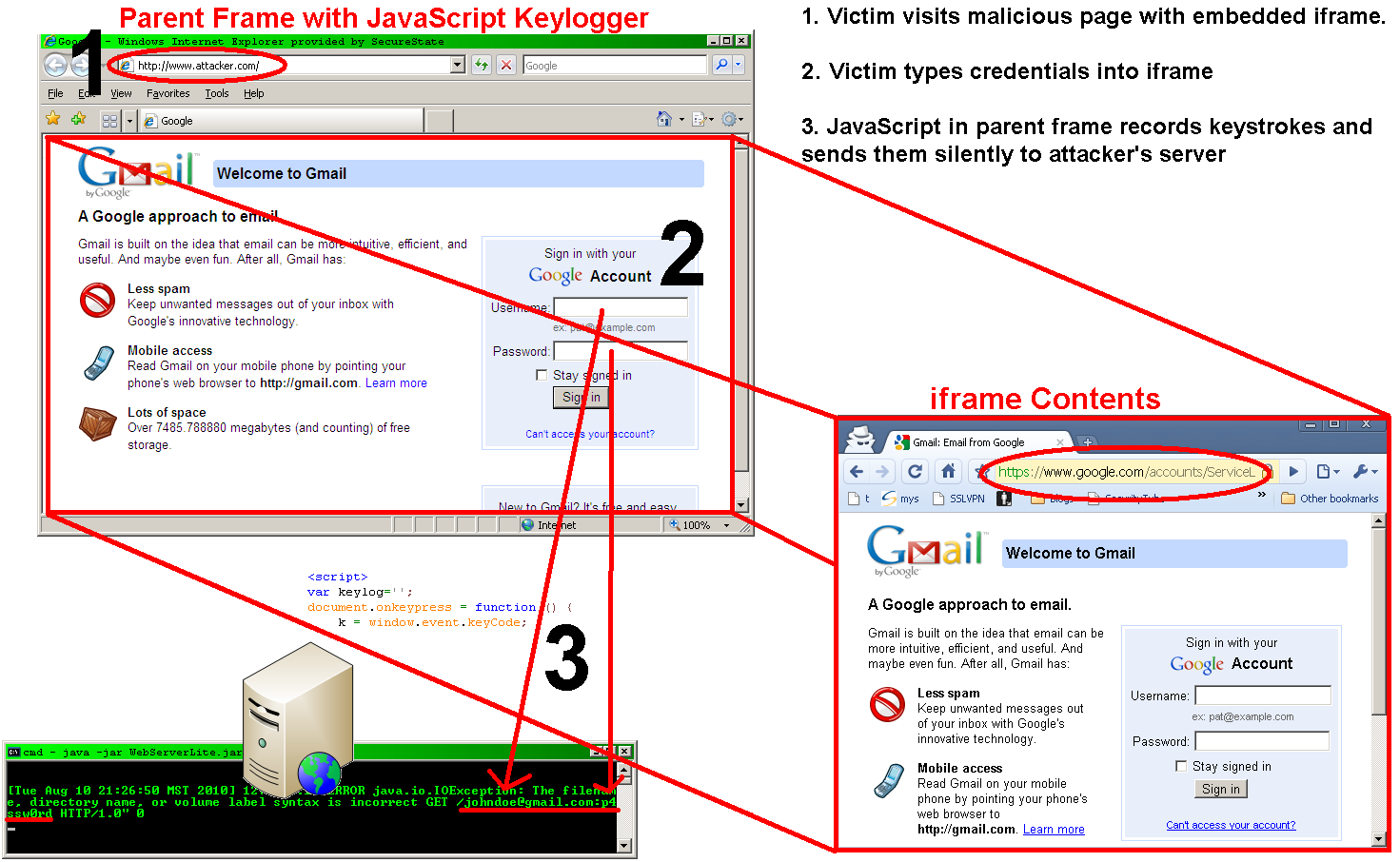
An HTML document that you find inside of another HTML document on a website that is used for embedding content from one source onto another
Impression
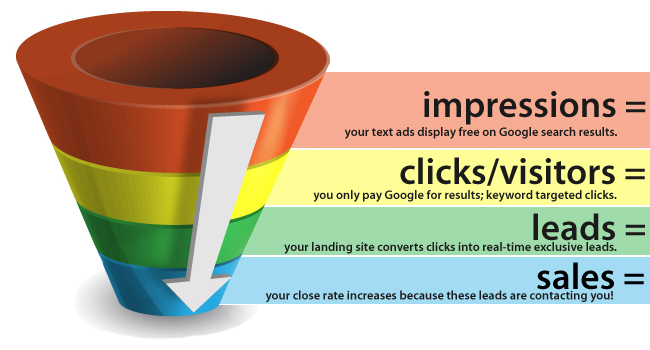
The number of times an Ad is shown is called an Impression. This is one of the most popular terms of Per Click Advertising system
Inbound Marketing
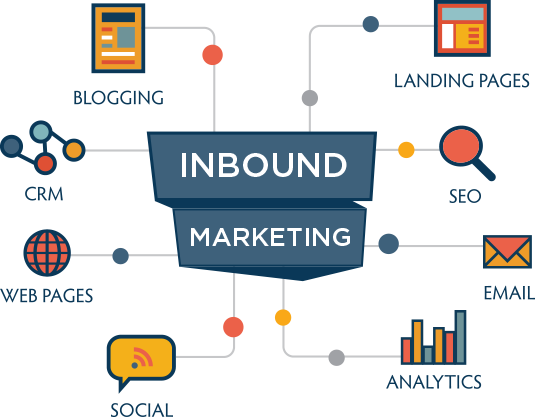
Activities and strategies used for attracting potential users or customers to a website by educating and building trust about your services, product and/or brand, and to have a good web presence
Index
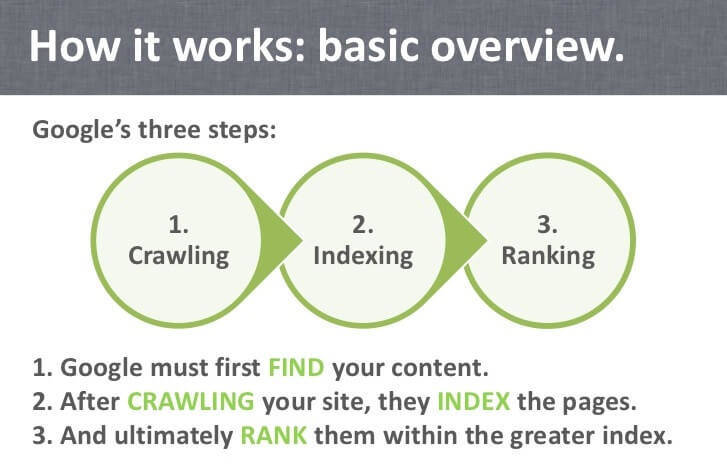
Refers to all of the web pages that Google has crawled and stored so that they can be shown to Google searchers. The act of Google copying a web page into its system is Indexing
IP Address
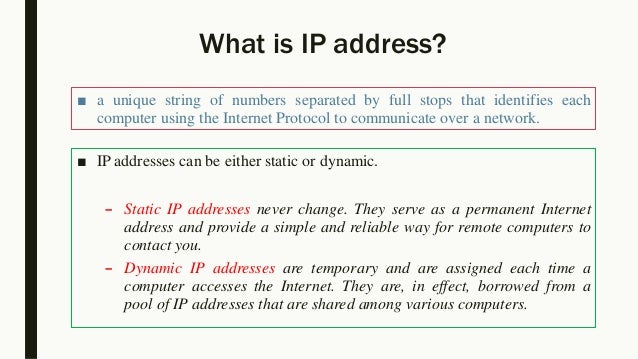
An IP (Internet Protocol) address that uniquely identifies a device that uses the internet for communicating over a network. Static and Dynamic are two types of IP Addresses
Java
A programming language used to create applications that can run on different Digital devices. You can use Java on its own, while can use JavaScript only in web browsers
JavaScript (JS)
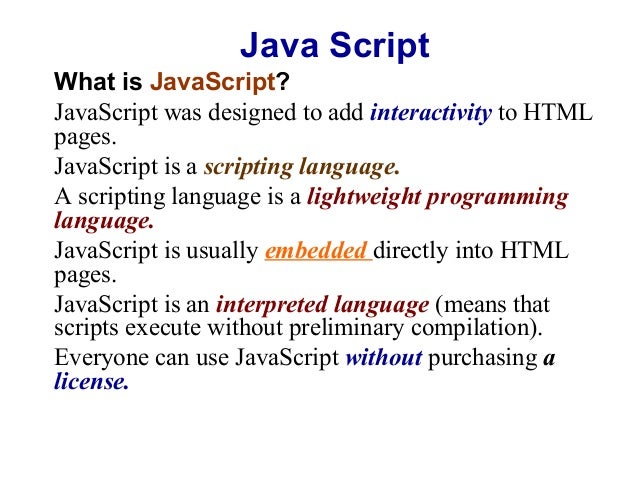
A scripting language that is used on web browsers for providing interactive elements to web pages, which are difficult to accomplish with just HTML or CSS
Digital Marketing Glossary from K to N
Keyword
A phrase or word that indicates the major theme of any web content, and it can be understood as the queries or phrases that searchers type in Search Engines to get the desired search results
Keyword Density
The percentage of how often a particular keyword is used in webpage content is called Keyword density. Having the recommended keyword density is an important SEO ranking factor
Keyword Stuffing
Superfluous and excessive use of particular keywords in content for manipulating search engines is called Keyword Stuffing
Landing Page

The destination webpage on which a user will land after clicking on a link is the landing page. These pages play a significant role in lead generation
LSI (Latent Semantic Indexing)
A Search Engine Indexing method that is used for creating relationship between words and phrases that helps in forming a better understanding of the subject matter of a text, which aids search engines in giving results to queries with better precision
Lead
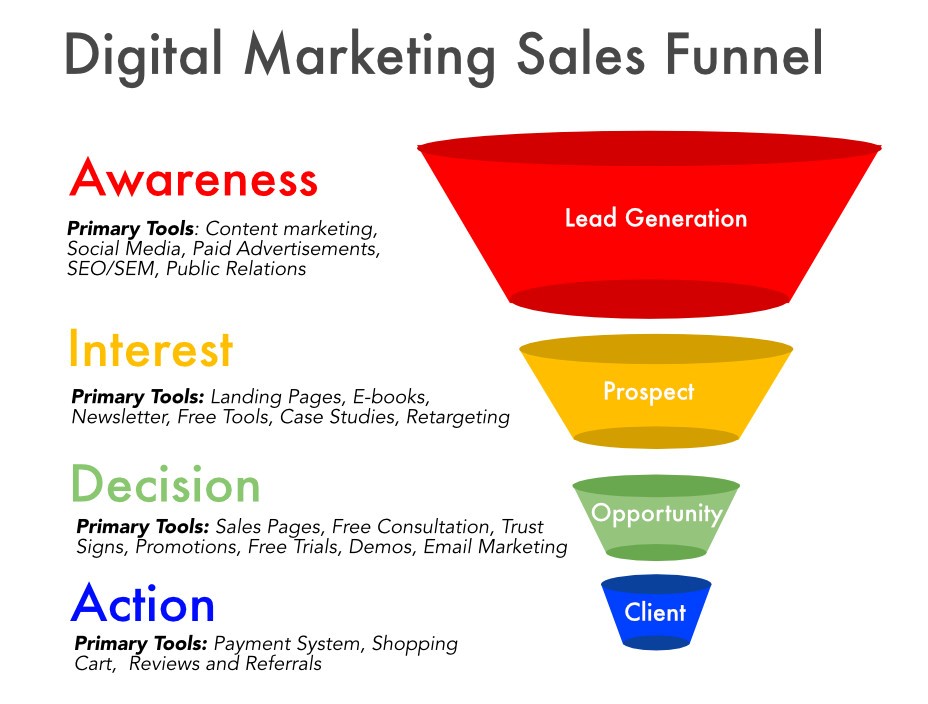
A potential customer in the sales funnel that can be converted into a buyer is a lead. Digital Marketing uses different techniques to generate leads and ensure conversions of those leads
Link
A string of hypertext transfer protocol structured text that connects web pages on the internet. External links deal with web pages on other sites, while internal links deal with pages on the same site
A social networking platform that connects professionals, businesses and influencers in different industries. The advertising platform of LinkedIn is LinkedIn Advertising
Long Tail Keyword
Those keywords that are longer in length and match a search query with hyper-specification are known as long tail keywords. These keywords enjoy higher search intent
Meta Tags
HTML snippets that are added to a webpage’s code, which a Search engine will use for deciding what information from a webpage should be displayed in their search results
Meta Description
A Meta Tag that gives the information of a Page in 160 Characters. It is one of the important SEO practices because it appears in the Search Engine Results. A Meta tag that gives information about the specific keywords significant for a page is the Meta Keyword
NAP

An acronym that should be used in local citations. NAP includes Name, Address and Phone Number, and its immaculate use is important for effective SEO
Nofollow
An HTML link attribute that updates Search Engines and Web Crawlers that the link to the destination web page should not give any SEO benefits to the recipient
Digital Marketing Glossary from O to R
Organic
The natural and non-paid way of gaining traffic or a source of traffic is known as Organic methodology. It is one of the most important factors of successful SEO
PPC / Pay-Per-Click
An online Paid-advertising model in which advertisers pay for their ad when it is clicked. It is similar to CPC, which I discussed above
Position
The ranking in search results that a site gets for a particular query is called Position. The functioning of Search Marketing is based on the position that a site or page gets in SERPs
Penalty
When a webmaster breaks Google’s guidelines, then Google issues an infraction, which is called a Penalty. You need to fix the issues for which a penalty is issued; only then will it be lifted
Quality Score
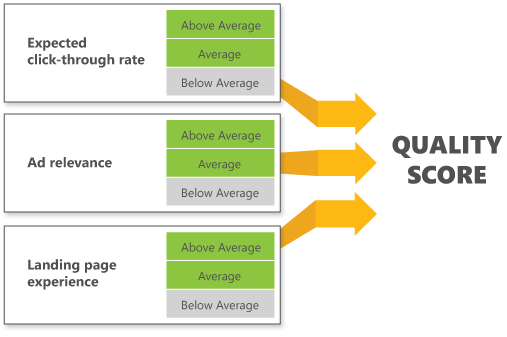
The rating of Google AdWords Ads that tells about the relevance and quality of Ads in Pay-Per-Click Advertising campaigns is called Quality Score
Query
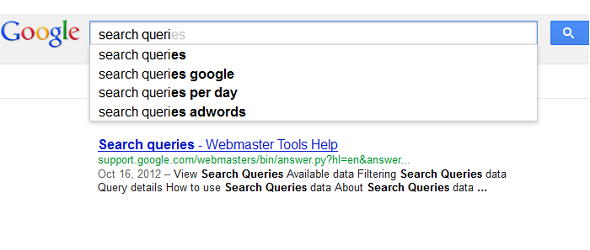
The phrase, term or word that a searcher types in search bars of search engines like Google, Bing, and Yahoo is called a Query. Search engines show results for Queries
Rankings
A general term that tells about the position of a site in search engine results is called Ranking, and the whole business of Search Engine Marketing revolves around the ranking that a page gets in SERPS
Reciprocal Link
When two websites link to each other to optimise the ranking of both, then such a link is called a Reciprocal Link. The purpose behind this is to increase the ranking of both sites
Redirect
The process via which a web browser takes a user from one page to another, for which the user does not give any input, is called a Redirect
Remarketing
A type of paid ad that lets advertisers show ads to customers who have earlier visited their site but did not perform any desired action
Responsive Web Design

A website design that lets all of the content of a site get shown to users accurately, regardless of screen size or device. Responsive Web Designs respond to their environment.
Robots.txt

A text file that gets stored on the server of a website and incorporates rules for indexing robots that will “crawl” that site
RSS
Full form is Really Simple Syndication, and it helps you keep track of updates to multiple websites (news sites, blogs, and more) in one place
Digital Marketing Glossary from S to Y
Schema Markup
A code that is added to the HTML of a website to provide search engines with important information related to a business, place, person, product, or thing
Search Network
A group of websites on which Ads can appear, e.g. Search Network of Googl,e can be a group of Google & non-Google websites that collaborate with Google for displaying different kinds of text ads
Search Engine
A program that goes through an index of information and provides results to the user based on the user’s search. Google is the most common search engine
SEM (Search Engine Marketing)

Marketing on Search Engines via Paid and Unpaid marketing channels, such as PPC and SEO. Search engine advertising includes PPC, PPI, and PPA ,while Search Engine Optimization includes On-Site and Off-Site optimization.
SEO (Search Engine Optimization)
The process of optimising the online presence of a site, business, blog or brand via unpaid means to boost search ranking and increase traffic organically. SERPs are known as Search Engine Results Pages
Sitelink
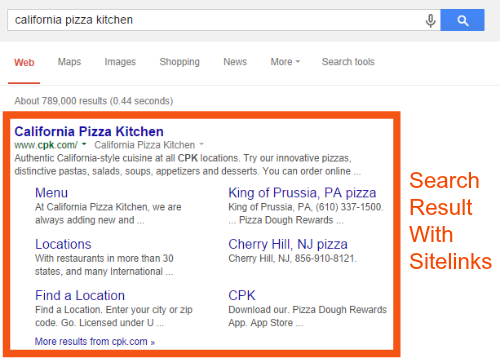
The ad extension in Google Adwords that will appear below the main Ad copy, which further links to a particular page on the website, such as Contact Us or About Us, etc.
Sitemap
An XML file or page on a website that is used for listing all of the pages and posts so that Search Engines can see them is known as a Sitemap.
Slug
The portion of URL that comes after .com is called a Slug, and it also plays a very significant role in optimising the search ranking of the page. In ‘www.domain.com/contact-us’, Contact Us is the slug
Spam
Different types of nefarious activities in digital marketing are cunningly used to help a website rank better. Spam is also used to harm competitors
Spider
An automated program that will visit or crawl your site and it is also known as a “crawler” or a “bot” is known as Spider
Tag

An identifying marker in WordPress, which is used for classifying different posts as per the keywords and topic, is known as a Tag. An HTML element that is used for describing the specific topic related to a web page is called as Title Tag
Tracking Code
A script that is placed in the Thank You Page, Header or Footer of a website to pass the information to software tools to help them gather data
X Advertising
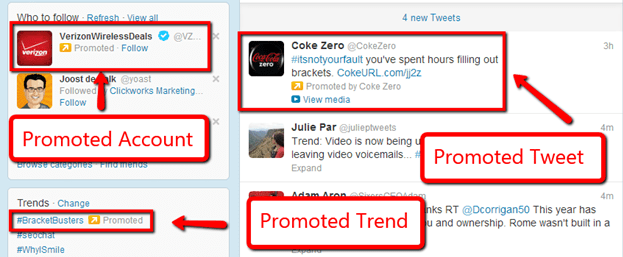
Allows advertisers to use X Ads for promoting a tweet or business on X users’ feeds. X Advertising is one of the very important parts of Social Media Advertising
URL

Uniform Resource Locator that refers to what specific web page a browser is viewing. it is also known as the address of a Web Page
UI & UX
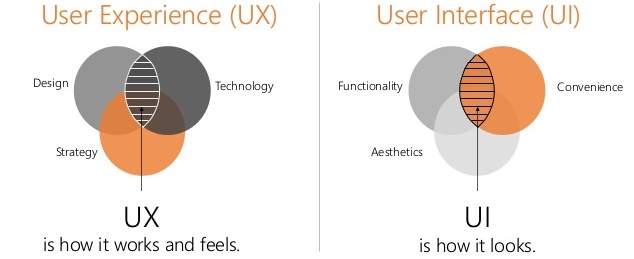
An area where a user interacts via a Digital Device and its full form is the User Interface. UX is User Experience which tells how a user will interact with a site or App
Visits
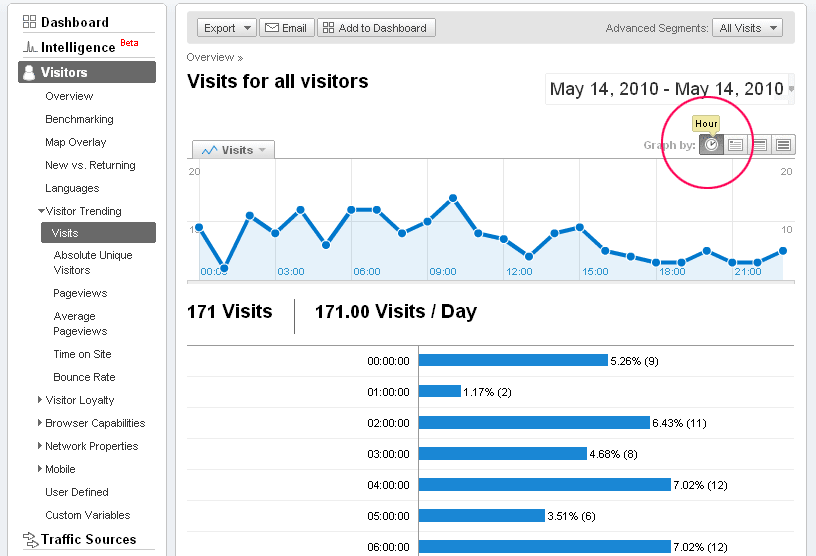
Tells about the traffic sources that visit a site. A metric that quantifies a user of a website who visits a site for a particular period of time is called visitor
Web 2.0
Another form of World Wide Web that is developed for the shift from static web pages to dynamic content, along with social media and user-generated content
Webinar
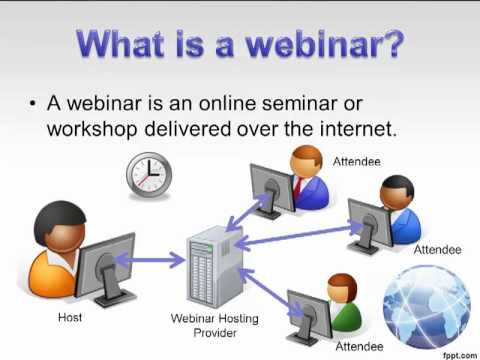
A seminar on the web is called a Webinar. It is used for training, informing, or selling to an audience of viewers who have signed up to view the video webinar
White Hat
Ethical digital marketing practices are known as White Hat practices, and White Hat Marketers do not participate in work that could be viewed as unethical, illegal, or as spam
XML
Extensible Markup Language is used for categorising various data for computers and humans to use. It allows customizable tags to mark up that information, which is otherwise difficult to comprehend by computers
XML Sitemap
A document in XML format that is used for categorising all relevant pages, files, posts, etc. of a website. It is designed to help search engine crawler bots find all of the pages of a given website quite easily
Yelp
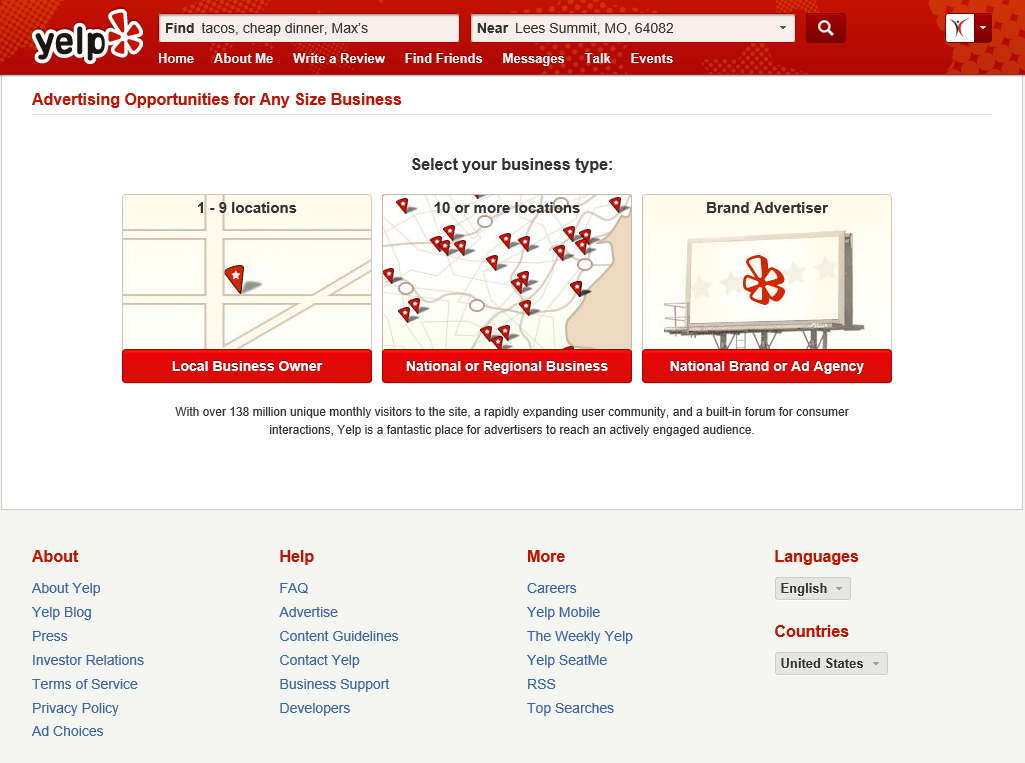
A social review platform and search engine that lets users leave reviews for different businesses. It also offers an advertising program
YouTube
A video-sharing website that is the second most used search engine in the world. Google bought it in 2006 and now, it is part of the ad network of Google
YouTube advertising

YouTube offers 6 different types of advertising- Display ads, Overlay ads, Skippable video, non-Skippable video ads, Sponsored Cards and Bumper ads. YouTube Ads can also be created and run via the Google Ads platform
Yahoo!
Search Engine owned by Yahoo and owned by Bing. Yahoo and Bing ads are comprised under Yahoo Advertising, and both are run via the Bing Ads platform
In Conclusion…
On a concluding note, I hope this overstated Digital Marketing Glossary would have helped you get an idea about different Digital Marketing Terms, their basic use and their significance in running Digital Marketing Campaigns.
Knowing all the terms well might be a good thing when it comes to information and awareness, but to build practical skills and to make use of the enormous opportunities that Online Marketing offers, enrolling in a Digital Marketing Training would be ideal.
What are the terms that you think I missed in this Digital Marketing Glossary? –Share them in the comments.