In 2025, simply ‘being online’ isn’t a strategy—it’s just noise.
You’ve probably heard the term ‘Internet Marketing’, but do you truly understand its potential to transform your business or career?
In today’s digital era, simply having an online presence isn’t enough—you need a strategic approach to attract, engage, and convert your audience.
Before diving into the ways Internet Marketing can help you achieve your business goals, let’s first break down what it actually means.
What is Internet Marketing?
According to Search Engine Journal:
“Also called online marketing, it is the process of promoting a brand, products, or services over the Internet. Its broad scope includes email marketing, electronic customer relationship management, and any promotional activities conducted via wireless media.”
From SEO to social media and beyond, Internet Marketing is the key to unlocking business growth in the digital world. Let’s explore how you can leverage it effectively.
Most businesses are now using Internet Marketing because of two primary reasons:
1. It is a cost-effective channel for marketing
2. Media consumption trends are moving towards the internet and therefore you can easily reach out to the masses using the online medium
Why Internet Marketing Isn’t Just an Option—It’s Essential
Think about the last time you wanted to buy a product, find a restaurant, or learn a new skill. Where did you go first?
If you’re like billions of other people, you pulled out your phone and started searching online.
This fundamental shift in consumer behavior is the single most important reason why internet marketing is no longer optional—it’s the core engine for business growth.
The old “buyer’s journey,” where businesses pushed messages onto customers via TV ads and billboards, is gone.
Today, the customer is in complete control. They research, read reviews, compare prices, and watch videos long before they ever decide to contact a business.
If your business isn’t strategically visible during this online research phase, you are, for all practical purposes, invisible.
But being “online” is more than just having a website. It’s about using a strategic set of tools to connect with the right people, in the right place, at the right time. When you do this, the benefits are transformative.
The Unbeatable Benefits of Internet Marketing
🎯 Deep Personalization:
Traditional ads shout one generic message to everyone. Internet marketing allows you to have a one-on-one conversation at scale.
You can segment your audience based on their past behavior, their interests, and where they are in the buyer’s journey.
This allows you to send a personalized email, show a relevant ad, or recommend a product that speaks directly to their specific needs, building a much stronger customer relationship.
🌍 Global Reach, Local Precision:
Traditional marketing was limited by geography. With internet marketing, a small artisan shop in Jaipur can sell to customers in New York or London. But this global reach also comes with incredible precision.
You can choose to target only people within a 5-kilometer radius of your store, or only people in a specific city who are interested in yoga.
💸 Unmatched Cost-Effectiveness:
Forget the massive, upfront costs of a TV ad or a full-page magazine spread. Internet marketing is highly scalable.
You can start a social media or Google Ads campaign with a budget of just a few hundred rupees.
More importantly, you stop wasting money advertising to people who will never buy. You pay to reach only those who are most likely to be interested in your product, delivering a far higher Return on Investment (ROI).
📊 Measurable Results & Better Data:
How many people really saw your newspaper ad? How many of them took action? With traditional marketing, it’s mostly guesswork.
With internet marketing, you know everything. You can track every click, every view, every “add to cart,” and every lead.
This real-time data allows you to see exactly what’s working and what’s not, so you can stop guessing and make data-driven decisions to improve your results.
Why Internet Marketing is Essential for Business Growth
Think about your customers. Where are they right now?
They are on their phones scrolling through Instagram. They are at their desks searching Google for answers. They are in their inboxes reading newsletters. They are on YouTube learning a new skill.
In 2025, your audience is digital-first.
This fundamental shift in consumer behavior is the single most important reason why internet marketing is no longer just an “option” for businesses—it’s the central engine for growth.
The old model of marketing was about pushing a one-way message onto a passive audience through TV ads or billboards.
The new model is about pulling in an active audience by being the most helpful and relevant answer when they go looking for solutions.
If your business isn’t strategically visible where your customers are searching, learning, and socializing, you are effectively invisible.
But internet marketing is more than just “being online.” It’s a strategic approach that unlocks powerful benefits traditional marketing never could.
- You Go Where Your Audience Is Your customers expect to find you online. They look for your website, check your reviews, and see your social proof before they ever decide to make a purchase. Internet marketing is the process of meeting them on this digital journey and guiding them toward your solution.
- It’s Highly Cost-Effective & Delivers Higher ROI Traditional marketing is a “spray and pray” a—you pay a large fee for a newspaper ad or a billboard and hope the right person sees it. Internet marketing is built on precision. You can target your ads and content to specific demographics, interests, and behaviors, meaning you only spend money to reach people who are actually likely to be interested in your product. This drastically lowers waste and gives you a much higher return on investment (ROI).
- You Get Measurable, Real-Time Data How many people actually saw your magazine ad? How many of them bought your product? With traditional marketing, it’s mostly guesswork. With internet marketing, everything is measurable. You can track every click, every view, every lead, and every sale. You know exactly which ad, which email, or which blog post is driving results. This allows you to stop guessing and make data-driven decisions to optimize your campaigns in real-time.
- You Can Personalize and Build Relationships One-size-fits-all marketing is dead. Internet marketing allows you to segment your audience and have one-on-one conversations at scale. You can send a personalized welcome email, show a retargeting ad for a product they left in their cart, or create content that speaks directly to their specific pain point. This level of personalization builds trust, loyalty, and a much stronger customer relationship.
- It Levels the Playing Field In the past, only the biggest companies with the biggest budgets could compete. Today, a small local business can use the exact same tools—Google Ads, Facebook, SEO—as a global corporation. Success online is determined more by your strategy and your relevance than by the size of your bank account.
In short, internet marketing is essential because it’s the most powerful, efficient, and measurable way to connect with modern customers and drive sustainable, long-term growth.
Let’s now look at some of the key types of Internet Marketing with their benefits along with some useful examples and case studies.
Internet Marketing vs. Traditional Marketing
So, what’s the real difference between the marketing we all grew up with and the internet marketing that runs the world today?
The easiest way to understand it is to think of traditional marketing as a giant fishing net.
This is the old playbook: You invest a lot of money in a giant, heavy net—like a TV commercial, a full-page magazine ad, or a massive billboard.
You throw it into the vast ocean of the public and hope you catch the fish you’re looking for. You’ll definitely catch something, but you’ll also catch a ton of seaweed, old boots, and fish you have no interest in.
It’s a game of mass numbers, it’s expensive, and you’re paying for everything you catch, not just the good stuff.
Now, think of internet marketing as a fishing spear.
You’re on the same boat, but now you can see clearly into the water.
You spot the exact fish you want—that specific person who is actively looking for your solution.
You aim with precision and speak directly to them. It’s targeted, it’s efficient, and there’s almost no waste.
Let’s break down that difference a little more.
1. The Conversation: Monologue vs. Dialogue
- Traditional Marketing is a one-way monologue. A brand stands on a stage with a megaphone and shouts a message at a crowd. You can’t talk back to a billboard. You can’t ask a radio ad to clarify a point. The message is “Here is our product. We hope you like it.”
- Internet Marketing is a two-way dialogue. It’s a conversation. You post on social media, and customers comment back. You send an email, and they can reply. They can ask questions on a chatbot, leave a review, and share your content. It’s an active, real-time engagement that builds relationships and trust.
2. The Audience: “Everyone” vs. “Someone Specific”
- Traditional Marketing targets “everyone.” It has to, to justify the cost. A TV ad that runs during a cricket match targets all cricket fans, from a 15-year-old student to a 65-year-old retiree. The message has to be incredibly broad and generic.
- Internet Marketing targets “someone specific.” You can create an ad that is only shown to 30- to 40-year-old women in Pune who have expressed an interest in “organic skincare” and have a birthday in the next month. This laser-focus means your message can be hyper-relevant, personal, and infinitely more effective.
3. The Measurement: Guesswork vs. Certainty
- Traditional Marketing is a black box. You spend ₹5 Lakhs on a print campaign. How many people actually saw your ad? How many of them bought your product because of that ad? You might see a general lift in sales, but you’ll never know for sure. It’s almost impossible to calculate your Return on Investment (ROI).
- Internet Marketing is a transparent dashboard. You know everything, in real-time. You can see precisely how many people saw your ad, how many clicked it, how many visited your site, and how many made a purchase. You can see if an ad is failing and turn it off by lunchtime, saving your budget. You know exactly how much it costs you to get one new customer.
4. The Cost: A High Wall vs. An Open Door
- Traditional Marketing has a huge barrier to entry. Buying a 30-second TV spot or a full-page ad in a national newspaper costs a fortune. It’s a game reserved for big brands with deep pockets.
- Internet Marketing is democratic. A local bakery can use the exact same powerful Google Ads or Facebook Ads platform as a giant multinational corporation. You can start a campaign with ₹500 or ₹50 Lakhs. It levels the playing field, allowing the best strategy to win, not just the biggest budget.
The bottom line is simple: Traditional marketing pushes a generic message. Internet marketing pulls in the right people by being helpful, personal, and measurable. It’s not just a new set of channels; it’s a fundamentally smarter, more respectful, and more effective way to do business.
The Core Channels of Internet Marketing
1. Search Engine Optimization (SEO)
Search Engine Optimization, or SEO, is the art and science of helping your website show up—or “rank” higher—on search engines like Google when people are looking for what you offer.
Think of it this way: If paid advertising is like paying for a billboard, SEO is like earning the #1 location in the city’s busiest marketplace, for free.
It’s the single most powerful way to get a continuous stream of high-intent traffic from people who are already raising their hands to say, “I’m interested in this.”
It’s not a secret “hack” or a one-time trick. It’s a long-term strategy built on four key pillars:
1. On-Page SEO: Your Digital Storefront
On-page SEO is everything visitors (and Google) can see on your actual web pages.
This is your chance to tell them, “You are in the right place.” It’s all about creating content that is both relevant and valuable.
The key components are:
- High-Quality Content: This is the #1 factor. Your content must answer your user’s question, solve their problem, or provide value better than anyone else’s.
- Keyword Research: This is the foundation. It’s not about “stuffing” keywords; it’s about understanding the exact words and phrases your ideal customers are typing into Google. It’s about matching their intent.
- Clear Titles & Headings: Your main page title (H1) and subheadings (H2, H3) act like a clear sign and aisles in your store. They guide both the user and Google through your content.
- Internal Linking: This is the practice of linking to other relevant pages on your own website. It helps users discover more of your content and helps Google understand how your pages are connected.
2. Off-Page SEO: Your Online Reputation
Off-page SEO refers to all the things you do outside of your website to build its authority and trustworthiness.
If on-page SEO is your store, off-page SEO is your word-of-mouth reputation.
The most important part of this is:
- Backlinks: These are links from other websites to your website. Think of a backlink as a “vote of confidence” from another site. A link from a trusted, high-authority site (like a major news publication) is a massive vote. A link from a spammy, unknown blog is a bad one. Building a profile of high-quality backlinks tells Google that you are a credible and important voice on your topic. This can be done through guest blogging, creating share-worthy content, and digital PR.
3. Technical SEO: Your Solid Foundation
Technical SEO is the “under-the-hood” magic that makes your site fast, safe, and easy for search engines to crawl and index.
You could have the best content in the world, but if your site has a bad foundation, no one will stick around.
Key pieces include:
- Site Speed: In 2025, users are impatient. If your page takes longer than a few seconds to load, they’ll leave. Google knows this and prioritizes faster sites.
- Mobile-Friendliness: This is non-negotiable. Your website must look and work perfectly on a smartphone. Most Google searches happen on mobile, and Google ranks sites based on their mobile version first.
- Security (HTTPS): That little lock icon in the browser bar. It signals to users and Google that your site is secure and their data is safe.
- Sitemap: This is literally a map of your website that you give to Google, helping it find and index all your important pages quickly.
4. Local SEO: Winning Your Neighborhood
For businesses with a physical location (like a restaurant, a doctor’s office, or a training institute), Local SEO is critical. This is the practice of optimizing your site to appear for “near me” searches.
The most important actions are:
- Google Business Profile (GBP): This is your most important tool. It’s your free profile on Google Search and Maps. Keeping your GBP updated with your correct address, phone number, hours, photos, and services is the fastest way to get local customers.
- Local Citations (NAP): This means ensuring your Name, Address, and Phone number are consistent and correct on all online directories (like JustDial, Yelp, and other industry-specific sites).
- Customer Reviews: Actively encouraging and responding to customer reviews (both good and bad) on Google and other platforms builds massive trust and signals to Google that you are a legitimate, active business.
2. Social Media Marketing (SMM)
If SEO is about being found, Social Media Marketing (SMM) is about being known.
It’s not just a digital billboard to shout your sales messages; it’s the world’s biggest community center, town square, and party rolled into one.
It’s where you build a brand voice, interact with your audience, and turn casual followers into loyal fans.
Platforms like Instagram, Facebook, LinkedIn, X (formerly Twitter), and YouTube aren’t just channels—they are entire ecosystems.
Your strategy for each will be different (e.g., professional insights on LinkedIn vs. visual storytelling on Instagram), but your efforts will always fall into two main categories: Organic and Paid.
To understand the difference, think of it this way:
- Organic SMM is like hosting a great party. You create an amazing atmosphere, provide great conversations (content), and let people show up and mingle.
- Paid SMM is like paying the venue to send personal invitations and put a spotlight on you, ensuring the exact people you want to meet will show up and hear your message.
You need both to succeed.
Organic Social Media Marketing (The Relationship)
Organic SMM is everything you do on social media that doesn’t cost money. This is the foundation of your community and your brand’s personality.
It’s the long game, focused on building trust, not just making a quick sale.
- What it is: Posting valuable content, sharing user-generated content, running polls, responding to comments and DMs, creating a consistent brand “voice,” and providing customer support.
- The Goal: To engage, educate, entertain, and support your current audience, building a loyal following that trusts you.
- Pros:
- It’s free (in terms of ad spend).
- Builds authentic trust and brand loyalty.
- Provides a direct line of communication with your customers.
- Cons:
- It’s slow. Building a following takes significant time and patience.
- It’s labor-intensive. You have to create and post content consistently.
- Your reach is often limited by algorithms (like Facebook’s) that want you to pay.
Paid Social Media Marketing (The Accelerator)
Paid SMM is what most people just call “social media advertising.” This involves paying the platform to put your content in front of a specific, targeted audience that doesn’t already follow you.
This is your engine for growth, designed to reach new customers, fast.
- What it is: Boosted posts, sponsored ads, lead-generation forms, and product ads that you see in your feed.
- The Goal: To reach new people, generate leads, and drive sales by using the platform’s powerful targeting tools.
- Pros:
- It’s fast. You can see results and get traffic today.
- It offers hyper-specific targeting (you can target by age, location, interests, behaviors, and more).
- It provides clear, measurable ROI (you know exactly how much you spent to get a click or a lead).
- Cons:
- It costs money.
- It’s an “ad” and can be ignored if not creative.
- Your results stop the moment you stop paying.
Why You Need Both: The Perfect Partnership
You can’t just pick one. They work together in a powerful cycle:
Paid social introduces new people to your brand. They see your ad, and if they’re interested, they click your profile.
Organic social is what they find when they get there. If they see an engaging community, valuable posts, and real customer interactions, they’ll click “Follow.”
Your paid ads get them in the door; your organic content convinces them to stay.
3. Email Marketing & Automation: The Only Channel You Truly Own
Let’s talk about the single most valuable asset in your entire digital marketing toolkit: your email list.
If SEO and social media are like renting a stall in a busy, public marketplace, your email list is the private, VIP lounge that you own outright.
Think about it. Google can change its algorithm overnight and your traffic can vanish. Facebook or Instagram can limit your reach, forcing you to pay to talk to the audience you already built.
But your email list? That’s yours. It’s a direct, private line of communication to your most loyal fans—people who actually asked to hear from you.
This makes it the most powerful and profitable channel you have, and it breaks down into two parts: the relationship (email) and the smarts (automation).
What is Email Marketing? (The Relationship Builder)
First, let’s be clear: this is not about buying a list of a million random email addresses and spamming them with ads. That’s how you get blacklisted.
True email marketing is built on permission. It starts when a person trusts you enough to give you their email address in exchange for something valuable—a newsletter, a free guide, a discount, or a useful update.
From that moment on, your job is to nurture that trust.
It’s your channel for providing consistent, personal value. You can use it to:
- Share helpful tips, insights, and exclusive content.
- Tell stories and take your audience behind the scenes.
- Build excitement for an upcoming launch.
- And yes, send targeted, relevant offers and promotions.
The goal is to move someone from a casual subscriber to a loyal customer and, ultimately, a raving fan.
What is Marketing Automation? (The Smart Assistant)
So, how do you send personal, relevant messages to thousands of people at once? You can’t do it manually.
That’s where Marketing Automation comes in.
If email is the message, automation is the super-smart assistant who decides who gets what message and when. It uses “triggers” and “rules” to send the right content to the right person at the perfect moment, all without you lifting a finger.
This allows you to create personalized journeys for your subscribers at scale.
How They Work Together (The Magic in Action)
This partnership between email (the relationship) and automation (the relevance) is where the real magic happens.
Example 1: The “Welcome Sequence” A new user signs up for your blog’s newsletter (the trigger).
- Instantly (Email 1): Your automation sends a “Welcome!” email with the free guide they were promised.
- 2 Days Later (Email 2): They automatically get a “Get to Know Us” email, sharing your story or your most popular content.
- 4 Days Later (Email 3): They receive an email with a special, one-time-only offer for new subscribers.
You’ve just built a relationship, provided value, and made an offer, all on autopilot.
Example 2: The “Abandoned Cart” A customer adds a product to their online cart but leaves your site without buying (the trigger).
- 1 Hour Later: Your automation sends a gentle, helpful email: “Hey, did you forget something? Your items are waiting for you.”
- 1 Day Later (if no purchase): It sends another email: “Still thinking it over? Here’s a 10% discount to help you decide.”
You’re not being pushy; you’re being helpful and recovering what would have been a lost sale.
The Bottom Line:
Email Marketing & Automation isn’t just about “sending newsletters.” It’s about using data-driven triggers to create a personalized, one-on-one customer experience for everyone on your list.
It’s why email consistently delivers the highest Return on Investment (ROI) of any marketing channel. You’re not just building a list; you’re building an algorithm-proof asset that will drive revenue and loyalty for years to come.
Join Free Live Orientation Session
Also read latest Internet Marketing updates and sources.
5. Search Engine Marketing (SEM)
With Internet Marketing, you have the opportunity to figure out who to reach out to and using which channel.
Platforms like Google and Facebook help you to run paid ad campaigns for a specific target audience. With internet advertising, you can start marketing your business for only a few dollars! Paid advertising is a form of Internet Marketing that helps you to optimize your campaign and improve your results as you run your campaigns.
You can create multiple campaigns targeting different sets of audiences with different budgets. Paid advertising allows yo track the results in real time and stop/modify those campaigns which are not getting you the desired results.
6. Conversational Marketing & Chatbots
Chatbots are an interesting technique using which brands are providing improved customer service and support to their clients. Mastercard is now making use of Facebook messenger bots to help its customers. Mastercard users can easily inquire about their transactions with the help of the bot. They can also chat with the bot to inquire about and purchase other products and services.
Predictive Analytics and Big Data
Businesses are increasingly making use of machine learning technologies to know more about their target customers’ preferences. They are using this knowledge to create customized recommendations and campaigns for them. Predictive analytics helps you to add more accuracy in forecasting business outcomes.
It helps you to understand audience behaviour and add probability variables to their final action. This can help you to predict for example, what kind of customer will purchase which product and then make recommendations accordingly.
7. Content Marketing
Content Marketing is a strategic approach to creating and distributing audience-centric content to drive engagement and conversion for the business. Content Marketing can help you to build a loyal audience for your business.
You can explore different content formats like quizzes, polls, and contests to make sure your audience is interacting with your brand. It is a useful technique to educate and entertain your audience and build a relationship with them.

8. Affiliate Marketing
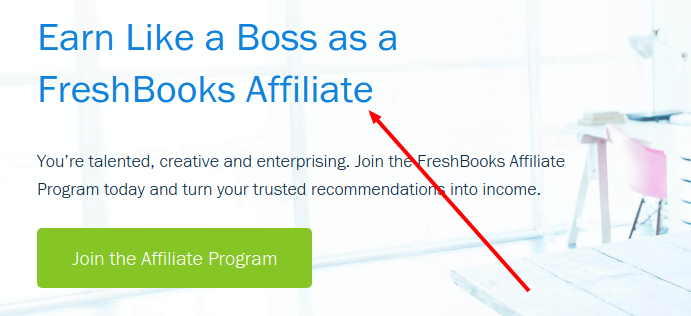
Affiliate marketing helps you to create affiliates or partners online. They refer your product to those who would be interested in buying it. You pay them a commission on each conversion. You can create a dedicated website section for affiliates.
The section provides them a process to sign up for the affiliate program. It would provide your affiliate partners with affiliate links and banners which they would promote on their website. Take a look at this example from Freshbooks, an online accounting tool:
9. Video Marketing
Video marketing is the newest kid on the block. Everyone wants to start doing video marketing for their business. Well, that’s because the audience for video content is growing at a very fast pace. Videos are an exciting medium to tell your brand story quickly and effectively. Good video content has a very high probability of going viral.
Take a look at this viral video from Samsung Technical School:
Putting It All Together: The Power of an Omnichannel Strategy
We’ve just covered a lot of different channels: SEO, Social Media, Email, PPC…
For most businesses, that’s where the thinking stops. They create a “social media guy,” an “email guy,” and an “SEO guy.” They all work in separate rooms (or ‘silos’), run their own campaigns, and report on their own numbers.
This is called multichannel marketing. It means you’re using many channels.
The problem? Your customer doesn’t care about your company’s internal departments. They don’t live in a silo. They live in a world where they expect a single, seamless experience.
This is the power of omnichannel marketing.
Omnichannel isn’t just using all the channels; it’s connecting them so they work together as one. It’s the difference between five separate, one-note instruments and a fully orchestrated symphony.
It’s about having one continuous conversation with your customer, no matter where they are.
An Omnichannel Journey in Action
The best way to understand this is to walk in your customer’s shoes. Let’s call her Priya.
- Step 1: Awareness (SEO & Content) Priya wants to start running. She Googles “best running shoes for beginners.” Your SEO-optimized blog post, “A Beginner’s Guide to Choosing Your First Running Shoe,” ranks on page one. She clicks and reads your helpful, educational article.
- Step 2: Consideration (Email Marketing) At the end of your article, a pop-up offers “My First 5K: A Free 6-Week Training Plan.” Priya thinks this is valuable and signs up with her email address. Your automation instantly sends her the plan.
- Step 3: Nurturing (Paid Social Media) Later that day, Priya is scrolling through Instagram. She sees a short, inspiring video ad (a Paid SMM retargeting campaign) from your brand, showing a runner celebrating at a finish line. The ad isn’t pushy; it just reminds her of her new goal.
- Step 4: Intent (E-commerce & Automation) Intrigued, she clicks the ad, which takes her to your product page for the “Beginner’s Cloud” running shoe—the exact shoe you recommended in the blog post. She adds it to her cart… but then her phone rings, and she gets distracted. She closes the browser.
- Step 5: Re-engagement (Email & Automation) One hour later, your automation system sends her a friendly, helpful “abandoned cart” email: “Hey Priya, still thinking it over? Your running journey is waiting.”
- Step 6: Conversion (Email) The next morning, she gets one more automated email with the subject line: “Your 5K plan + 10% off your first pair.” That’s the final nudge she needed. She clicks the link and buys the shoes.
Why This Works
To Priya, this wasn’t five different marketing departments shouting at her. It was one helpful brand guiding her.
- Her search on Google informed the ad she saw on Instagram.
- The email she received knew what she left in her cart on the website.
- The message was consistent, personal, and perfectly timed.
That is an omnichannel strategy.
It stops you from sending a “20% off” email to a customer who just paid full price. It stops you from showing new-customer ads to your most loyal, existing fans.
It’s the strategy that puts your customer at the absolute center of everything you do, and it’s how you turn a one-time click into a lifetime of loyalty. The channels are just the tools; the experience is the strategy.
How to Build Your Internet Marketing Strategy (Step-by-Step)
“Strategy” can feel like a big, intimidating word, but it doesn’t have to be.
A strategy is simply a plan. It’s what stops you from “posting and praying”—randomly uploading things to social media and hoping for a sale. It’s your roadmap from where you are now to where you want to be.
Instead of guessing, you’ll be marketing with purpose. Here is your simple, five-step framework.
Step 1: Define Your Destination (Know Your “Why”)
You would never get in a car without knowing where you’re going. The same is true for marketing. You must first define what “success” actually looks like.
Your goals need to be specific and measurable.
| Vague Goal (Bad) 👎 | Specific Goal (Good) 👍 |
| “I want to grow my business.” | “I want to generate 50 qualified leads per month.” |
| “I need to get better at social media.” | “I want to gain 1,000 new, engaged Instagram followers in my target niche this quarter.” |
| “I want to make more money.” | “I want to increase online sales by 20% by the end of the year.” |
These specific goals give you a target to aim for. The numbers you track to see if you’re on your way are called Key Performance Indicators (KPIs), like “Website Conversion Rate” or “Number of Leads.”
Step 2: Know Your Customer (Build Your Persona)
This is the most critical step. You cannot sell to “everyone.” If you try to talk to everybody, you end up connecting with nobody.
You need to know exactly who your ideal customer is. The best way to do this is to create a “customer persona,” a fictional profile of the person you’re trying to reach.
This isn’t just about demographics (like “age 25-45”). It’s about empathy. Ask yourself:
- Pain Points: What problem keeps them up at night? What’s frustrating them?
- Goals: What do they really want to achieve? What does their “dream solution” look like?
- Hangouts: Where do they spend their time online? Are they professionals on LinkedIn? Creatives on Instagram? Hobbyists in specific Reddit forums?
- Triggers: What makes them finally decide to buy? Is it a discount? A strong review? A free trial?
Once you have this persona, you’ll know exactly what kind of content to create, what tone of voice to use, and which channels to be on.
Step 3: Choose Your Channels (Where to Plant Your Flag)
Here’s a secret: You don’t need to be everywhere.
Trying to manage a blog, a YouTube channel, a TikTok account, an Instagram profile, and a LinkedIn page all at once is a recipe for burnout.
Instead, go back to your persona from Step 2. Where do they hang out?
- If your persona is a B2B professional looking for industry insights, your best channels are SEO (your blog) and LinkedIn.
- If your persona is a 22-year-old looking for fashion inspiration, your channels are Instagram Reels and TikTok.
- If your persona is a 40-year-old homeowner looking for “how-to” guides, your channels are SEO (your blog) and YouTube.
Start small. Choose one or two channels where your audience is most active and focus on mastering them first. You can always expand later.
Step 4: Plan & Create Your Content
Now that you know your goal (Step 1), your customer (Step 2), and your channel (Step 3), it’s time to decide what you’re actually going to say.
Your content is the bridge between your customer’s problem and your solution.
A simple way to plan this is with a content calendar. This is just a simple schedule of what you’re going to post and when. This ensures you’re being consistent.
Remember the 3 E’s: Your content should always aim to:
- Educate: Answer their questions, solve their problems, and teach them something valuable. (e.g., A blog post on “How to…” or a technical guide).
- Entertain: Capture their attention and make them feel something. (e.g., A funny Reel, a compelling brand story).
- Engage: Start a conversation. (e.g., A poll, a “caption this” post, a question to your email list).
Your goal is to be so helpful and interesting that your audience looks forward to your next post or email.
Step 5: Measure, Analyze, and Evolve (The Most Important Step)
Your first plan will never be perfect. And that’s okay.
The entire magic of internet marketing is that you get real-time data to tell you what’s working and what’s not. This is where you look back at your KPIs from Step 1.
- Did we hit our goal of 50 new leads?
- Why did Email A get a 30% open rate, while Email B only got 10%?
- Which social media post drove the most clicks to our website?
- Why did that blog post get a ton of traffic but no one signed up for the newsletter?
Data isn’t boring; it’s feedback. It’s your audience telling you exactly what they love and what they ignore.
Your job is to listen to that feedback and do more of what works and less of what doesn’t. This is called optimization.
Your strategy isn’t a “set it and forget it” document. It’s a living, breathing cycle: Plan → Execute → Measure → Evolve → Repeat.
Essential Internet Marketing Tools to Get Started
An internet marketer’s “toolbox” can seem overwhelming—there are thousands of tools, all claiming to be the one you need.
The truth is, you don’t need all of them. To get started, you just need a few key tools to do the most important jobs: listen to your audience, create valuable content, share it efficiently, and measure what’s working.
Here is your essential starter kit for 2025, focusing on tools that are free or have powerful free plans.
1. For Analytics: Google Analytics 4 (GA4)
- What it is: A free service from Google that gives you a complete dashboard for your website’s traffic.
- Why it’s essential: You can’t grow what you don’t measure. Google Analytics is the non-negotiable first step. It answers the most critical questions:
- Who is visiting my site? (Their location, age, etc.)
- How did they find me? (From Google, social media, an email?)
- What do they do here? (Which pages are most popular? Where do they leave?)
- It’s the only way to know if your marketing efforts are actually working.
2. For SEO: Google’s Power Pair
- What they are: Google Search Console and Google Keyword Planner.
- Why they’re essential:
- Google Search Console is your website’s “health report” directly from Google. It’s free and tells you which keywords you already rank for, if your site has any technical errors (like mobile-friendliness issues), and who is linking to you.
- Google Keyword Planner (inside Google Ads) is your “opportunity finder.” It helps you discover new keywords, see how many people are searching for them, and understand how competitive they are.
- Together, they tell you where you are and where you should go.
3. For Social Media Management: Buffer (or Hootsuite)
- What it is: A social media scheduling platform.
- Why it’s essential: Consistency is the key to social media success, but you can’t be online 24/7. A scheduler allows you to sit down for one hour and plan out your entire week’s (or month’s) worth of content. It posts for you automatically, saving you an incredible amount of time and ensuring your audience always has fresh content.
4. For Email Marketing: Mailchimp (or Brevo)
- What it is: An email marketing service that lets you build, manage, and automate your email list.
- Why it’s essential: These tools provide a simple, all-in-one platform to:
- Collect subscribers with easy-to-build sign-up forms.
- Design professional-looking emails with drag-and-drop builders.
- Automate your campaigns, like sending a “Welcome” series to new subscribers.
- Their free plans are perfect for building your list from zero.
5. For Content Creation: Canva
- What it is: A powerful, web-based graphic design tool for non-designers.
- Why it’s essential: You constantly need visuals—for blog headers, Instagram posts, YouTube thumbnails, and ad creative. Unless you’re a graphic designer, this used to be a huge bottleneck. Canva makes it incredibly simple to create professional, beautiful graphics in minutes using thousands of templates. It’s an absolute game-changer.
A final thought: These tools are powerful, but they are just tools. A high-end tool in untrained hands is still just a toy. The real power comes from the strategy you learn to build.
Hacks on Becoming a Successful Internet Marketer
First and foremost, if you wish to be a successful internet marketer, you need to be patient and persistent. You can expect to get instant results from your Internet Marketing efforts. Secondly, you need to have a lot of focus and agility in your approach.
While promoting your business online, you need to quickly and accurately decide on the channels which are helping you to get the best business outcomes.
This will help you to achieve your Internet Marketing goals easily. The third very important trait of an internet marketer is the readiness for constant learning.
Since Internet Marketing is very diverse and equally dynamic, you need to keep updating yourself on the latest trends. As an internet marketer, you must be willing to help your target audience.
Make sure that you empathize with your prospects and solve their problems. It will go a long way in helping you to grow your business.
Conclusion: The Future of Internet Marketing
As we’ve journeyed through this guide, it’s clear that “internet marketing” is no longer just a niche activity or a separate department. In 2025, it is the primary, essential, and all-encompassing way that a business connects with its customers.
It’s not about choosing between SEO or social media. It’s about understanding how a Google search (SEO) leads to a blog post (Content Marketing), which sparks a relationship (Email Marketing), which is then nurtured by a targeted ad (Paid Social).
It is, and always will be, about one thing: a relentless focus on the customer.
But what’s next? The channels will evolve, but the core principles will only get sharper. The future of internet marketing will be defined by three key trends:
- Smarter Personalization (The Rise of AI): We’re moving beyond simple automation (like a “welcome email”) and into the realm of predictive personalization. Artificial Intelligence won’t just help you send an email; it will help you send the perfect email, to the perfect person, at the exact moment they are most likely to convert.
- Radical Authenticity (The Human-First Brand): In a world filled with AI, automation, and “optimized” content, your most powerful differentiator will be your human touch. Customers are craving genuine connection. The brands that win will be the ones that build real communities, showcase their values, and communicate with an authentic, human voice.
- The “Owned Audience” (The End of “Rented” Land): As privacy laws get stricter and third-party data (like cookies) disappear, the value of “rented” audiences on platforms like Facebook and Google will get more expensive and less reliable. The future belongs to brands that build their own assets: their email lists, their SMS subscribers, and their loyal blog readers. These are the only algorithm-proof relationships you truly control.
Your Next Step
The tools will change. The platforms will come and go. But the strategy—understanding human behavior and providing real value—is timeless.
The future of internet marketing won’t be won by the business with the most apps, but by the one with the clearest, most customer-focused plan. You now have the complete roadmap. The best time to start building was yesterday; the second best time is today.
Wish to learn more about Internet Marketing? Enroll for our certified digital marketing course.
Frequently Asked Questions (FAQs)
1. What is Internet Marketing?
Internet marketing, also known as online marketing, is the practice of promoting a brand, product, or service using digital channels like search engines, social media, email, and websites.
2. Why is Internet Marketing important for businesses?
Internet marketing helps businesses reach a larger audience, increase brand awareness, generate leads, and boost sales in a cost-effective way compared to traditional marketing.
3. What are the key components of Internet Marketing?
The main components include:
- Search Engine Optimization (SEO) – Improving website visibility in search engines
- Content Marketing – Creating valuable content to attract and engage users
- Social Media Marketing – Promoting brands on platforms like Facebook, Instagram, and LinkedIn
- Email Marketing – Sending targeted emails to nurture leads and customers
- Pay-Per-Click Advertising (PPC) – Running paid ads on search engines and social media
- Affiliate Marketing – Partnering with affiliates to drive sales through commission-based promotions
4. How does SEO help in Internet Marketing?
SEO improves your website’s ranking on search engines like Google, making it easier for potential customers to find your business when searching for relevant products or services.
5. Can small businesses benefit from Internet Marketing?
Absolutely! Internet marketing allows small businesses to compete with larger companies by targeting specific audiences, running affordable ad campaigns, and building strong customer relationships online.
6. How much does Internet Marketing cost?
The cost varies based on the strategies used. Organic methods like SEO and content marketing are cost-effective but take time, while paid methods like PPC ads and influencer marketing require a budget.
7. What are the best tools for Internet Marketing?
Popular tools include:
- Google Analytics – For tracking website traffic
- SEMrush & Ahrefs – For SEO research
- Hootsuite & Buffer – For social media management
- Mailchimp & ConvertKit – For email marketing automation
8. How can I measure the success of my Internet Marketing efforts?
Success can be measured through various metrics like website traffic, conversion rates, social media engagement, email open rates, and return on investment (ROI).
9. Is Internet Marketing better than traditional marketing?
Internet marketing offers better targeting, real-time analytics, and cost efficiency compared to traditional marketing, making it a preferred choice for many businesses.
10. How can I get started with Internet Marketing?
Start by defining your business goals, identifying your target audience, creating a website, optimizing it for search engines, leveraging social media, and experimenting with different marketing strategies to find what works best for your business.